

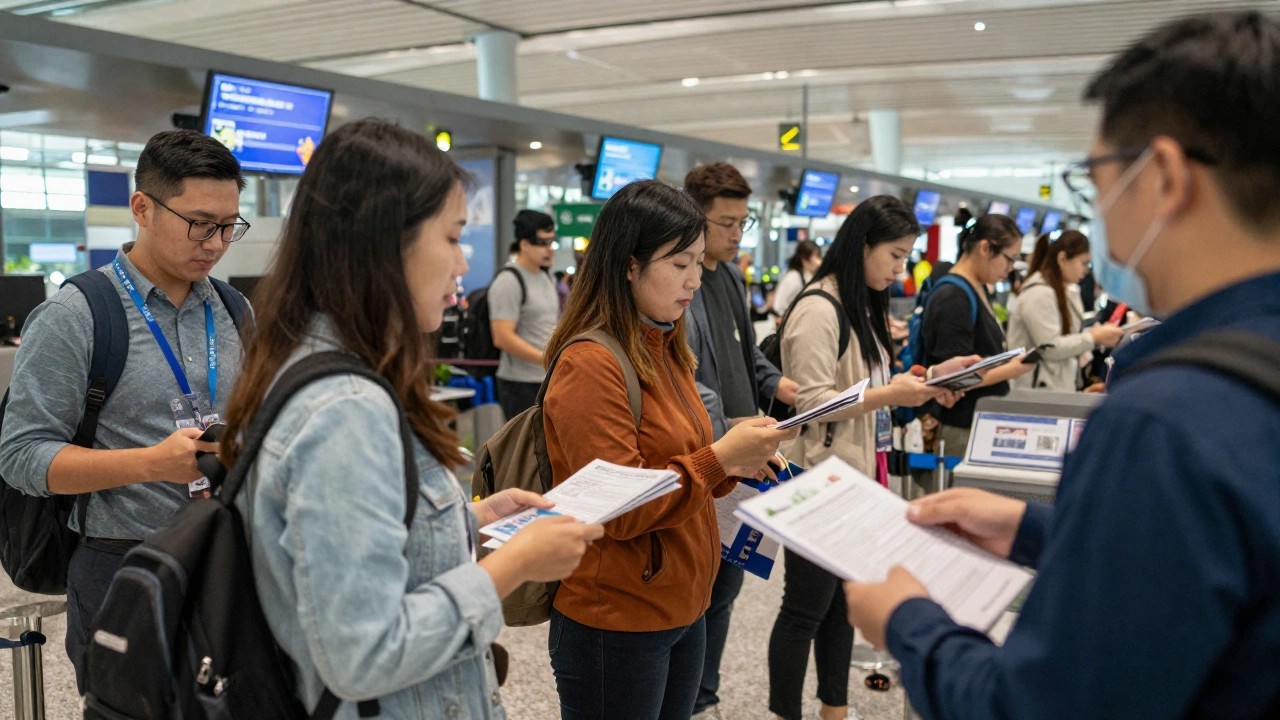


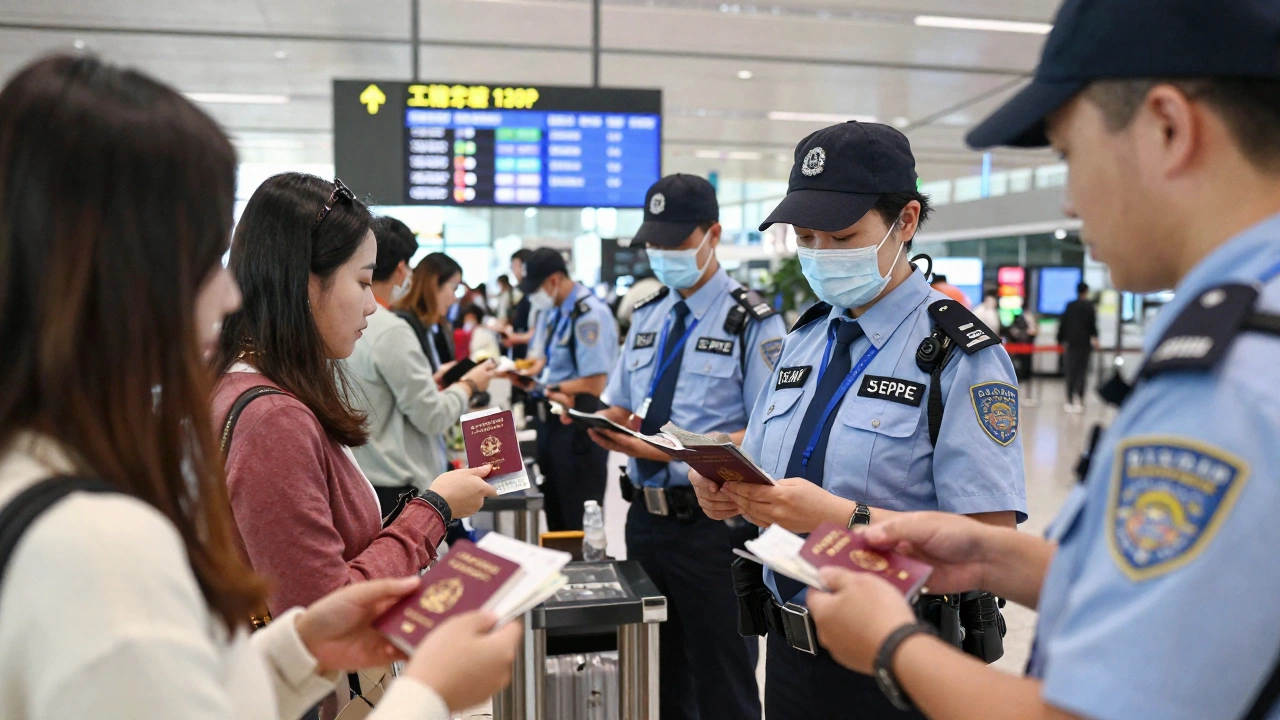

Overview of the Essential Travel Documents Required for International Travel in 2026
When preparing for international travel in 2026, the must-have documents include a valid passport, the appropriate visas or electronic travel authorizations (ETAs), proof of onward or return travel, travel insurance, and sometimes health and vaccination certificates. Let’s explore each in detail to help you avoid surprises at the airport.
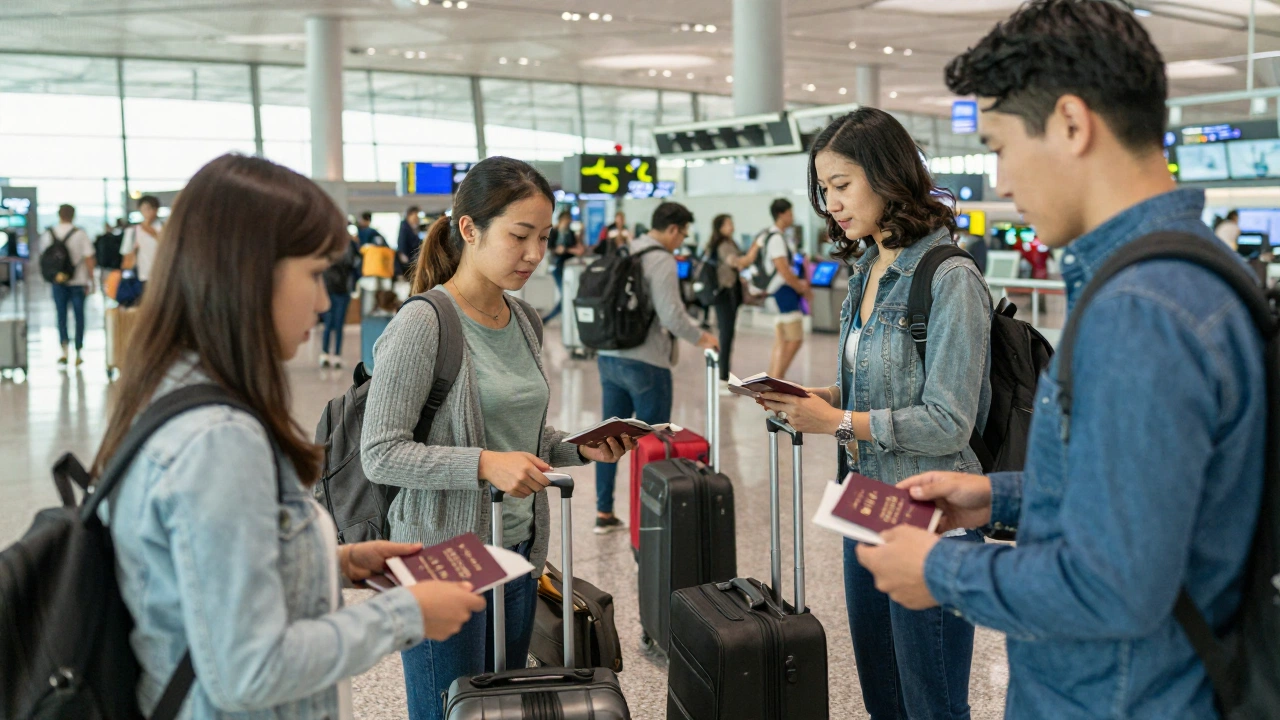
1. Passport: Your Primary International Travel Document
Your passport continues to be the cornerstone document for any international trip. In 2026, most countries mandate that your passport must be valid for at least six months beyond your planned return date. For instance, if your trip ends on January 1, 2026, your passport should remain valid through July 1, 2026. Some countries demand even longer validity, sometimes up to one year. Additionally, ensure your passport has at least two blank pages dedicated to entry and exit stamps or visa endorsements; airlines and immigration officials in 2026 will refuse any passport that doesn’t meet these requirements.
For example, Canadian travelers visiting Japan must present a passport valid for at least six months from their stay’s end date, per the Japanese Ministry of Foreign Affairs. Ignoring this rule could result in denied boarding or entry.
2. Visas and Electronic Travel Authorizations (ETAs)
Visas and ETAs remain a critical aspect of international travel documentation. Depending on your destination, you may need to secure a traditional visa or apply for an electronic travel authorization.
- Traditional Visas: Usually obtained via embassies or consulates, these often require detailed paperwork, including proof of sufficient funds, accommodation, and return plans. Some countries also require biometrics such as fingerprints and photos during visa application, a trend that has become more common in 2026.
- eVisas and ETAs: Many countries have streamlined travel authorization with online applications like the U.S. ESTA or Australia’s ETA. These faster options are convenient but still require early application to avoid last-minute issues.
For instance, India’s visa system now requires biometric data submissions for most applicants, reflecting the global trend toward enhanced security and identity verification.
3. Proof of Onward or Return Travel
One commonly overlooked but critical travel document in 2026 is proof of onward or return travel. Immigration officers want assurance travelers will not overstay their visas.
Countries such as Indonesia and the Philippines typically require passengers to present confirmed return or onward tickets. Acceptable documents include flight reservations back home, onward tickets to a third country, or sometimes bus and train booking confirmations.
For example, a Brazilian tourist heading to Bali without an onward or return ticket can be denied boarding. Travelers should always purchase tickets demonstrating their planned departure to avoid potential problems.
Travel Insurance: An Increasingly Required Document in 2026

Travel insurance has become an essential document frequently required to enter countries in 2026. Beyond the traditional role of covering emergencies, medical treatment, and repatriation, travel insurance sometimes includes mandatory quarantine coverage or Covid-related expenses.
Many destinations require proof of travel insurance upon visa application or directly at the border. For example, Schengen Area countries mandate insurance coverage with a minimum of €30,000 for medical costs and emergencies. Travelers lacking valid insurance meeting such requirements risk denied entry.
5. Health and Vaccination Certificates
Health documentation remains vital in 2026, especially in the post-COVID-19 era. Some countries still enforce vaccination proof or a negative COVID-19 test result as entry prerequisites.
The World Health Organization’s International Certificate of Vaccination or Prophylaxis (ICVP), often called the ‘yellow card,’ is necessary for countries such as Brazil and multiple African nations to confirm immunization against certain diseases.
Digital health passes with QR codes have become the norm to verify vaccination status or testing results quickly and securely at borders.
Step-by-Step Guide: How to Prepare the Travel Documents Required for International Travel in 2026
To simplify your preparation for international trips in 2026, follow this straightforward checklist:
- Verify your passport’s validity and ensure it has at least two blank pages well before your trip.
- Research the visa requirements on official embassy or consulate websites and apply well in advance, ideally a month ahead.
- Book and confirm your onward or return travel tickets to satisfy immigration authorities.
- Secure travel insurance aligned with your destination’s coverage requirements.
- Review and comply with any vaccination or testing rules for both your destination and transit countries.
- Digitally scan and save copies of all important documents on your mobile phone and cloud storage.
- Confirm document requirements directly with your airline as they frequently perform checks before boarding.
Careful attention to these steps ensures you will avoid complications at immigration and customs checks.
Common Mistakes to Avoid with Travel Documents in 2026
Stay alert to these frequent pitfalls:
- Assuming a passport only needs to be valid during your trip, while most countries require additional validity beyond departure.
- Using outdated visa information from unofficial or old sources, risking denial of entry or boarding.
- Traveling with only a one-way ticket without proof of onward travel, which many countries reject.
- Forgoing travel insurance due to perceived good health, ignoring mandatory requirements.
- Overlooking health certificates or COVID-19 policies, which can frequently change.
A helpful tip for travelers is to check with both your airline and your destination’s embassy or consulate at least a week before departure for the latest travel document requirements.
What If…? Addressing Edge Cases and Special Scenarios
What if my passport expires during my trip?
Renew your passport before traveling. Most countries do not allow entry or exit with an expired passport, and this rule is strictly enforced in 2026.
What if I lose my travel documents abroad?
Immediately contact your country’s embassy or consulate. They can issue emergency travel documents. Registering your travel plans with your embassy before departure can make this process faster and smoother.
What if I book a flexible ticket without fixed return dates?
Border officials generally require certainty in your travel plans. If your ticket is flexible, carry additional proof such as sufficient funds and a detailed travel itinerary, and be ready to explain your flexible arrangements.
What if my destination doesn’t require a visa but does require travel insurance?
Do not skip purchasing travel insurance just because you don’t need a visa. Keep digital copies of your insurance certificate on your mobile device for easy presentation during travel.
Practical Example: Preparing Travel Documents for a U.S. Citizen Traveling to the Schengen Area in 2026
For U.S. citizens planning visits to Schengen countries in 2026, here are the key travel documents required:
- A passport valid for at least six months beyond the intended stay.
- No visa needed if the visit is under 90 days within a 180-day period.
- Proof of onward or return travel to comply with entry requirements.
- Travel insurance covering a minimum of €30,000 in medical expenses, including COVID-19 related costs.
- Proof of COVID-19 vaccination or negative test result if the country requires it.
Always check the official European Commission’s Schengen visa policies before traveling to stay updated on the latest requirements.
Conclusion: Secure Your Journey with the Right Travel Documents for 2026
Navigating the travel documents required for international travel in 2026 demands careful preparation. From checking passport validity and meeting visa conditions, to ensuring adequate travel insurance, onward travel proof, and health certificates, getting these details right is critical to a smooth journey.
Start planning early, keep track of changing rules, and double-check every document to avoid delays or denial of entry. This approach will help you relax and enjoy your trip rather than worrying at customs.
How TiketVisa Can Help with Your Travel Document Preparation
If you need proof of onward or return travel but want to avoid buying a costly, non-refundable ticket, TiketVisa offers an affordable solution. At biletvize.com, you can reserve flight bookings starting from just USD 9 and hotel bookings from USD 6—perfect for satisfying immigration requirements without excessive spending.
Remember, these reservations are solely for documentation purposes and do not include actual travel rights. If proof of onward travel is mandatory for your destination, TiketVisa provides a cost-effective and reliable option.
Combine your passport and visa preparations with TiketVisa’s offerings to ensure a seamless international travel experience.
[TIKETVISA_SOCIAL_FOOTER]

 English
  Portuguese
  Spanish
  French
  Italian
  Turkish
  Indonesian
  Arabic
  Vietnamese
  Tagalog
  Russian
  Polish
  Hindi
Hindi  Chinese
  Uzbek
Uzbek  Thai
Thai  Greek
Greek  Hebrew