

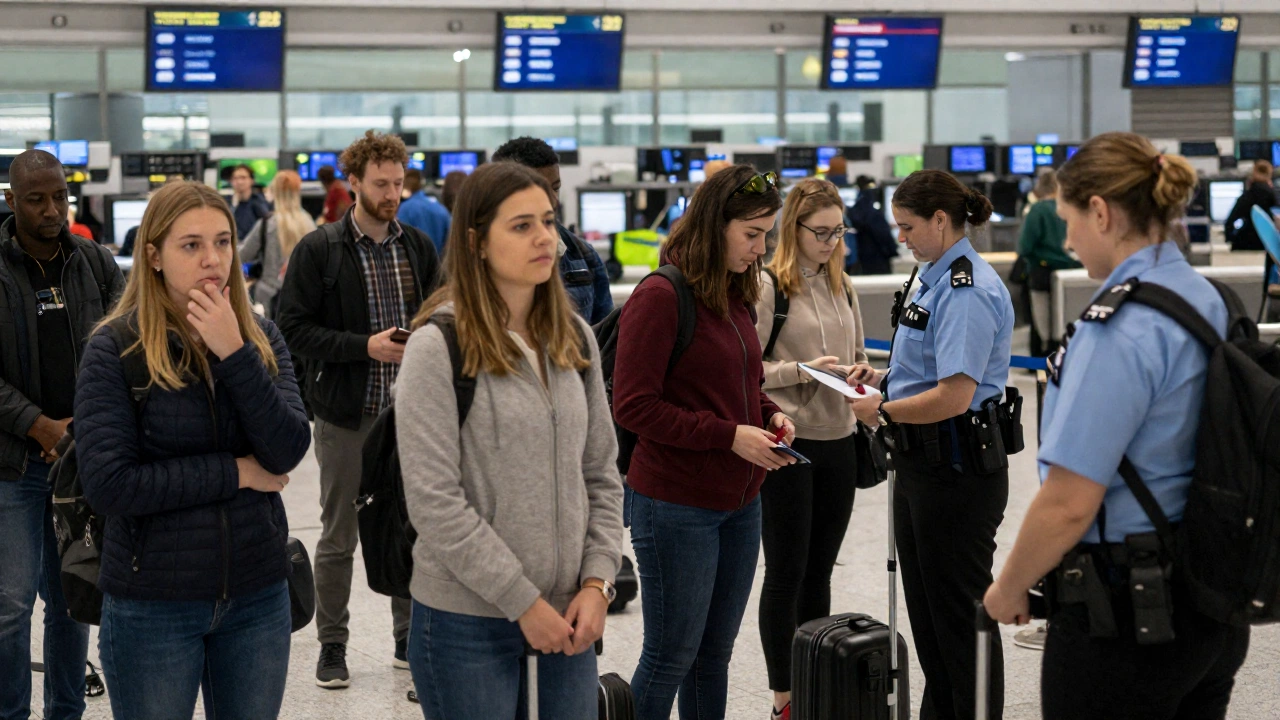




Understanding the flight itinerary for visa application vs booked ticket difference is crucial for anyone navigating the complexities of international travel in 2026. Many travelers get confused over these two documents, each serving a unique purpose in the visa application and travel process. Understanding this key difference can save you from financial loss and processing delays, making your visa approval journey smoother and less stressful.
Visa applications often require proof of travel plans, but this does not always mean a fully paid ticket is necessary. The distinction between a flight itinerary for visa application vs booked ticket difference lies in commitment level, cost, and acceptance criteria by embassies. In this article, we will dive deep into the meaning, uses, and risks associated with each, plus share practical tips and real-life examples to empower your planning.
What Is a Flight Itinerary for Visa Application?
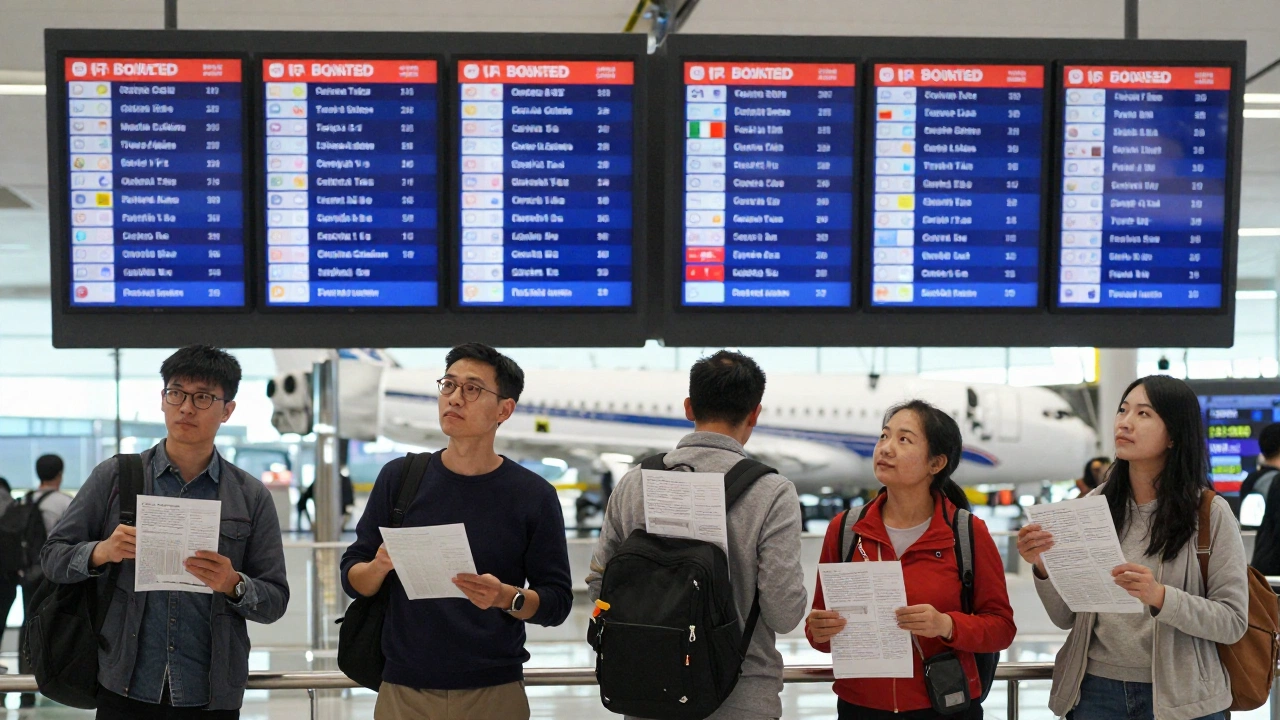
A flight itinerary for visa application is essentially a provisional travel plan. It outlines your intended flights – showing departure and arrival airports, flight numbers, and dates – but does not confirm payment or booked seats. It is a soft reservation or proof of intent designed specifically to fulfill visa application requirements.
Visa authorities require evidence that applicants will enter and exit their country during a specific timeframe. A flight itinerary satisfies this without the traveler having to spend money on a confirmed ticket upfront. Since embassies understand the uncertainty in visa issuance, they often accept these travel plans as documentation of intent.
Flight itineraries can be generated through travel agencies holding temporary flight reservations, airlines’ “hold” options, or specialized services such as TiketVisa, which offers affordable itinerary reservations tailored for visas.
Why Embassies Accept Flight Itineraries
Embassies want to see tangible proof that you have definite travel plans and intend to return. However, they also recognize the financial risk of buying a non-refundable ticket before a visa is granted, which could cause hardship if the visa is denied.
Therefore, many consulates accept flight itineraries as valid evidence. For example, the Embassy of France and many Schengen countries explicitly allow applicants to submit flight reservations instead of paid tickets as proof.
This approach balances the need for credible evidence of travel plans with travelers’ protection from unnecessary financial exposure.
What Is a Booked Ticket?
A booked ticket refers to a fully purchased and confirmed airline ticket. You pay the full or partial cost upfront, securing a seat on a particular flight with specific dates. This ticket legally binds you to travel on those dates according to the airline’s terms.
Booked tickets often involve stricter refund policies, with many being non-refundable or subject to change fees. Changing or canceling a booked ticket, especially last-minute, might incur additional costs.
Why Some Visas Require Booked Tickets
Certain visas require applicants to show evidence of purchased flights to demonstrate solid travel intentions. This is common for transit visas or countries with strict border controls. Some countries like the USA expect proof of onward travel, which a booked ticket well supports.
Buying tickets before receiving a visa is risky because visa denial means potential financial loss. Nonetheless, booked tickets carry more weight as they confirm your travel commitment.
The Flight Itinerary for Visa Application vs Booked Ticket Difference Explained
| Feature | Flight Itinerary for Visa Application | Booked Ticket |
|---|---|---|
| Cost | Generally low or free | Requires full or partial payment upfront |
| Commitment Level | No binding commitment; easy to alter or cancel | Legally binding; may lose money if changes occur |
| Purpose | Indicates travel intent for visa approval | Confirms actual reservation and travel |
| Risk | Low; no ticket loss if visa denied | High if ticket is non-refundable |
| Visa Acceptance | Accepted by many consulates | Strong, undeniable proof of travel plans |
| Modification/Cancel | Usually free or minimal penalty | Often costly or restricted penalties |
How to Use a Flight Itinerary for Visa Application: Step-by-Step Guide
- Check Visa Requirements: Always start by consulting your destination country’s official embassy or consulate website to know whether a flight itinerary or booked ticket is required. For instance, Australia’s Department of Home Affairs provides detailed protocols at immi.homeaffairs.gov.au.
- Select a Reputable Itinerary Provider: Avoid dubious websites promising free or suspicious flight reservations. Use trusted travel agents, airline hold services, or platforms like TiketVisa that provide verifiable and accepted flight itineraries.
- Provide Accurate Travel Information: Submit your intended travel dates and destination details accurately. The itinerary should align with your expected visa duration to avoid discrepancies.
- Include the Itinerary in Your Visa Application: Attach the flight itinerary alongside your passport, visa application form, and supporting documents.
- Await Visa Decision Before Booking: Because the itinerary is typically refundable or cancellable, you incur minimal risk while waiting. Once your visa is approved, proceed to purchase your confirmed ticket.
- Purchase Your Booked Ticket After Visa Approval: Confirm the exact dates and availability, and then book your flight confidently.
Common Mistakes to Avoid
- Expired or incomplete itineraries: Make sure your itinerary covers full inbound and outbound journeys matching visa validity.
- Confusing itineraries with e-tickets: An e-ticket means payment and confirmation; an itinerary is a travel plan without payment.
- Buying non-refundable tickets pre-visa: This risks losing money if your visa is denied.
- Using fake or fraudulent itineraries: Embassies detect fraud easily, leading to visa rejection or bans.
- Mismatch of travel and visa dates: Discrepancies here usually trigger rejection.
Verify all details carefully and only work with trusted agencies.
Real-Life Example: Maria’s Visa Journey

In 2026, Maria from Brazil planned a trip to Indonesia, a country requiring proof of onward travel but not necessarily a paid ticket upfront. Instead of risking hundreds on a refundable or non-refundable booked flight, Maria used TiketVisa to obtain a legitimate flight itinerary for visa application.
She submitted this along with her visa documents, saved money, and once approved, bought a confirmed ticket. Maria’s approach exemplifies how understanding the flight itinerary for visa application vs booked ticket difference helps travelers avoid financial and logistical headaches.
Conclusion: Making the Smart Choice
The flight itinerary for visa application vs booked ticket difference boils down to flexibility versus financial commitment. For most visas, a flight itinerary is a sensible, risk-free way to satisfy travel proof requirements and protect your wallet.
Only purchase booked tickets upfront if your destination mandates it, or if you’re comfortable with the risks. Always verify official embassy guidelines and use trusted services like TiketVisa for flight reservations.
Travel smarter, protect your budget, and ensure a hassle-free visa application with the right approach to your travel documentation.
Why TiketVisa Is a Wise Option
TiketVisa specializes in affordable, legitimate flight itinerary solutions starting at just $9, accepted by many embassies worldwide. They also offer hotel booking confirmation services, which some visas require. This service minimizes your upfront expenses and maximizes your visa application success rate.
Visit tiketvisa.com to simplify your travel planning today.
 Instagram
 TikTok
 Νήματα
 YouTube
 Facebook
 English
  Portuguese
  Spanish
  French
  Italian
  Turkish
  Indonesian
  Arabic
  Vietnamese
  Tagalog
  Russian
  Polish
  Hindi
Hindi  Chinese
  Uzbek
Uzbek  Thai
Thai  Greek
Greek  Hebrew