



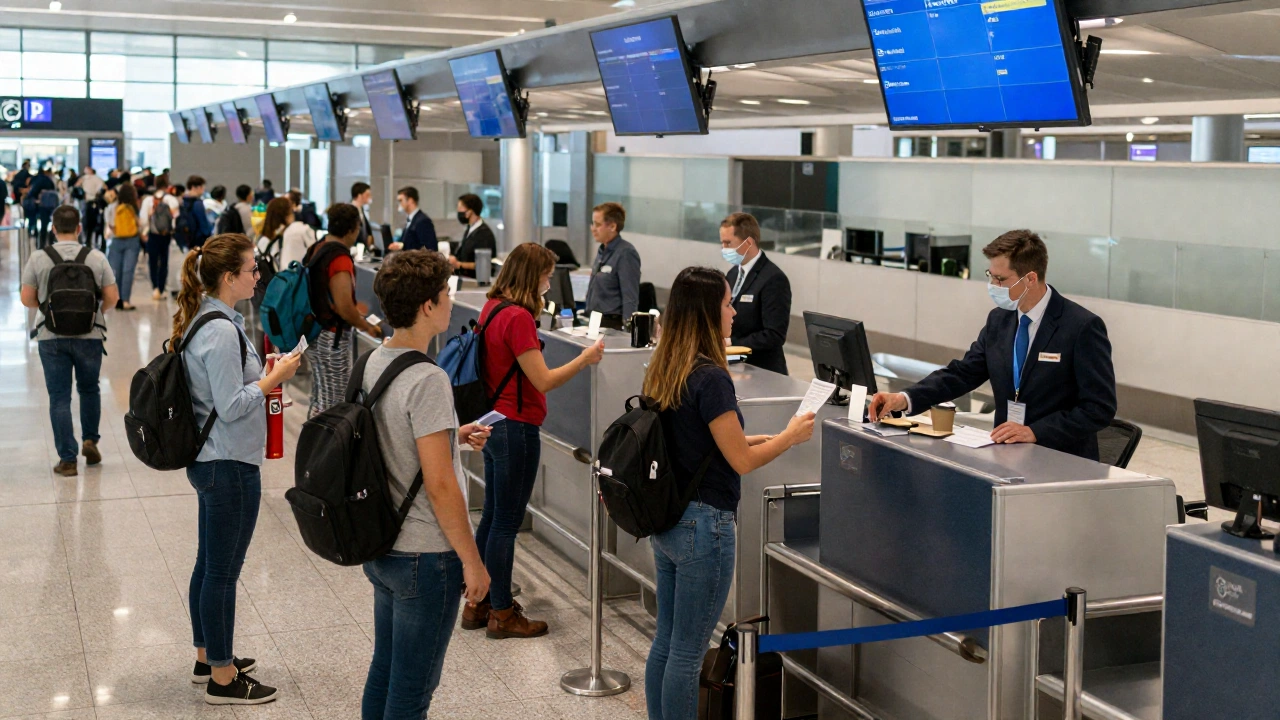


Why Study and Go Abroad? The Real Benefits Beyond Just Picking the Right Pen

Studying abroad is like trading instant noodles for a full-course meal. It fills more than your brain; it enriches your whole perspective.
Academic Excellence and Specialized Programs
Sure, you might study marine biology at home—maybe you’ve even spotted a sea turtle—but learning it beside Australia’s Great Barrier Reef takes things to a different level. The best programs often belong to foreign universities where the research is advanced and classes are designed for students ready to specialize. From Ivy League schools in the U.S. to top research universities in Europe and Asia, you’ll find options your local university might not offer. The exposure to cutting-edge technology, expert professors, and unique research opportunities can boost your academic credentials significantly.
Cultural Immersion and Language Skills
Living in a new culture is like signing up for an immersive language course combined with a crash course in understanding people. The British Council reports that 78% of students improve their language skills while abroad, so your Duolingo streak finally pays off. Plus, you gain insight into local customs, social behavior, and everyday problem-solving that no app can teach. This cultural immersion enhances your adaptability and intercultural communication skills — highly valued by employers worldwide.
Career Opportunities and Networking
Here’s the thing: international experience really makes a difference. OECD studies show that graduates with global experience find jobs about 20% faster than those who don’t. You also build networks, land internships, and sometimes find jobs where you manage colleagues in two languages. That international stint isn’t just a line on your CV—it’s your ticket to working with multinational companies or startups around the world. Additionally, many universities have dedicated career centers for international students that help with job placement and internships.
Navigating the Visa and Application Process: A Step-by-Step Survival Guide (With Less Hair-Pulling)

Student visas can be confusing, kind of like setting up a new gadget without instructions. But don’t stress—here’s how to get your student visa for Canada. Other countries work similarly, but always check their official websites.
- Get Accepted First
No acceptance letter, no visa. That’s the first rule. Secure your spot with an official Letter of Acceptance from a university that excites you. This usually means you’ve met academic requirements and language proficiency standards. - Gather Your Documents
Passport, admission letter, proof of funds, academic transcripts, medical exams, and sometimes a police clearance—all needed. Double-check your country’s specific requirements to avoid surprises. - Apply Online or Through a Visa Center
Countries like Canada, Australia, the UK, and New Zealand let you apply online or via visa centers such as VFS Global. Make sure you choose the right visa type, usually a student visa or study permit. - Pay the Fees
Expect visa fees around $150-$300 USD depending on the country. Keep your receipt safe—it’s important. - Schedule Biometrics and Interviews
Some countries require fingerprints and photos, plus sometimes an interview. Practice your best “responsible student” impression and be prepared to explain your study plans clearly. - Wait and Track Your Application
Processing can take several weeks to a few months. Keep calm and check your application status regularly through official portals. - Visa Approved? Prepare to Travel
Check your visa details carefully, get travel insurance, and pack smart. Verify any local COVID-19 related travel requirements before departure.
Use official government sites for the most accurate info. In Canada, visit Canada.ca. For Australia, check Study in Australia.
Watch Your Step: Rookie Mistakes to Avoid When Studying Abroad
You’re almost there! Now, avoid these common pitfalls:
- Incomplete Applications
Missing forms or documents? That’s an easy rejection waiting to happen. Triple-check your submissions. - Weak Financial Proof
Visa officers want proof you can cover tuition, rent, food, and a flight home. If your bank looks empty, your visa might be refused. - Buying Flights Too Early
Buying expensive, non-refundable tickets before your visa is confirmed is risky. Wait until your visa is approved. - Ignoring Onward Travel Proof
Some countries want proof you’ll leave after your studies, like a return or onward ticket. For example, Brazilian students heading to Bali with one-way tickets and no onward proof were recently refused entry. - Skipping Health Insurance
Some countries require proof of health coverage, or you risk high medical bills. Check local requirements and purchase adequate insurance. - Neglecting Embassy Registration
Register yourself with your embassy once you arrive. It can be a lifesaver in emergencies.
Onward Travel Proof Without Breaking the Bank
Onward travel proof might sound like a headache, but it’s easier than you think.
- Check if You Need It
Look up embassy websites or call them. Sometimes it’s required; other times just suggested. - Don’t Buy Expensive, Non-Refundable Tickets
Avoid purchasing full-price flights you may not use. - Use TiketVisa for Temporary Reservations
TiketVisa.com offers temporary, verifiable flight bookings starting at just $9 and hotel bookings from $6. It’s a way to show visa officers your travel plans without spending a fortune. - Bring Both Digital and Printed Confirmations
Have both handy for your visa interview to provide clear proof. - Keep Your Papers Organized
Make sure all your documents are neat to avoid confusion at the border or embassy. - Cancel or Change Reservations Later
After visa approval, cancel your temporary bookings without losing money.
With travel restrictions tightening worldwide in 2026, services like TiketVisa are essential tools for cost-effective onward travel proof.
Beyond Visas and Admissions: How to Make the Most of Your Study Abroad Experience

To truly enjoy your time abroad, preparation is key:
- Attend Pre-Departure Orientations
They cover important legal info, local customs, and what to avoid. - Set Up Your Finances
Opening a local bank account helps avoid unexpected fees. Some universities assist with this process, making your financial life easier. - Find Suitable Housing
Choose dorms or apartments close to transportation, safety, and yes, a good coffee shop for those all-nighters. - Get Health Checks and Vaccines
Check which vaccinations you need—COVID boosters for 2026 variants are still recommended in many places. - Stay Connected for Less
Consider buying global or local eSIMs from providers like Airalo or Holafly to stay in touch without big phone bills. - Register with Local Authorities
Some countries require you to check in within days of arrival. Don’t skip this step, as it may affect your student status.
Bottom Line: Start Your Global Education with Confidence
Studying abroad isn’t easy—it comes with challenges and surprises. But with complete paperwork, a clear visa strategy, smart onward travel proof via TiketVisa, and solid preparation beyond the classroom, you’re set to succeed. Start early, stay organized, and trust official sources. Your education passport is ready. So pack your suitcase, brush up on your language skills, and get ready for an unforgettable journey. And yes, you’ll want to remember all this for the test.
If you want smooth, affordable onward flight or hotel bookings for visa and border checks, visit tiketvisa.com—flight reservations start at $9, hotels from $6, making visa paperwork much easier.
 אינסטגרם
 טיקטוק
 שרשורים
 YouTube
 פייסבוק
 English
  Portuguese
  Spanish
  French
  Italian
  Turkish
  Indonesian
  Arabic
  Vietnamese
  Tagalog
  Russian
  Polish
  Hindi
Hindi  Chinese
  Uzbek
Uzbek  Thai
Thai  Greek
Greek  Hebrew