

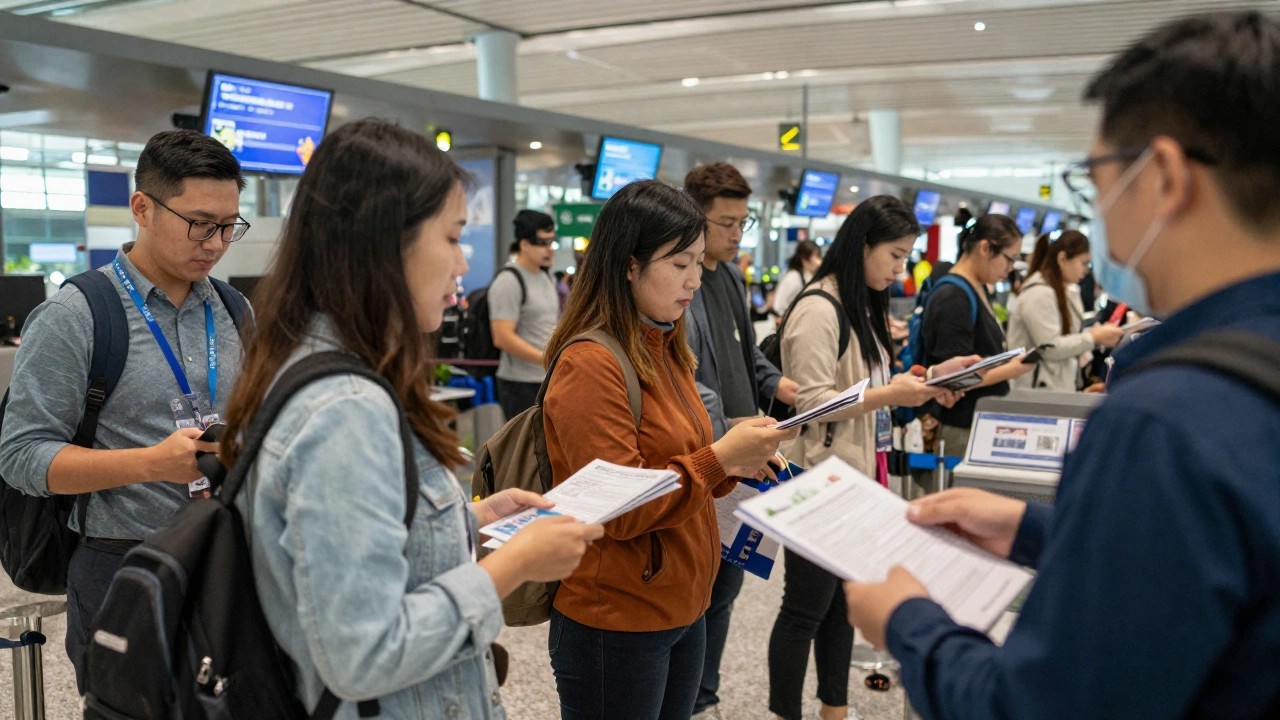


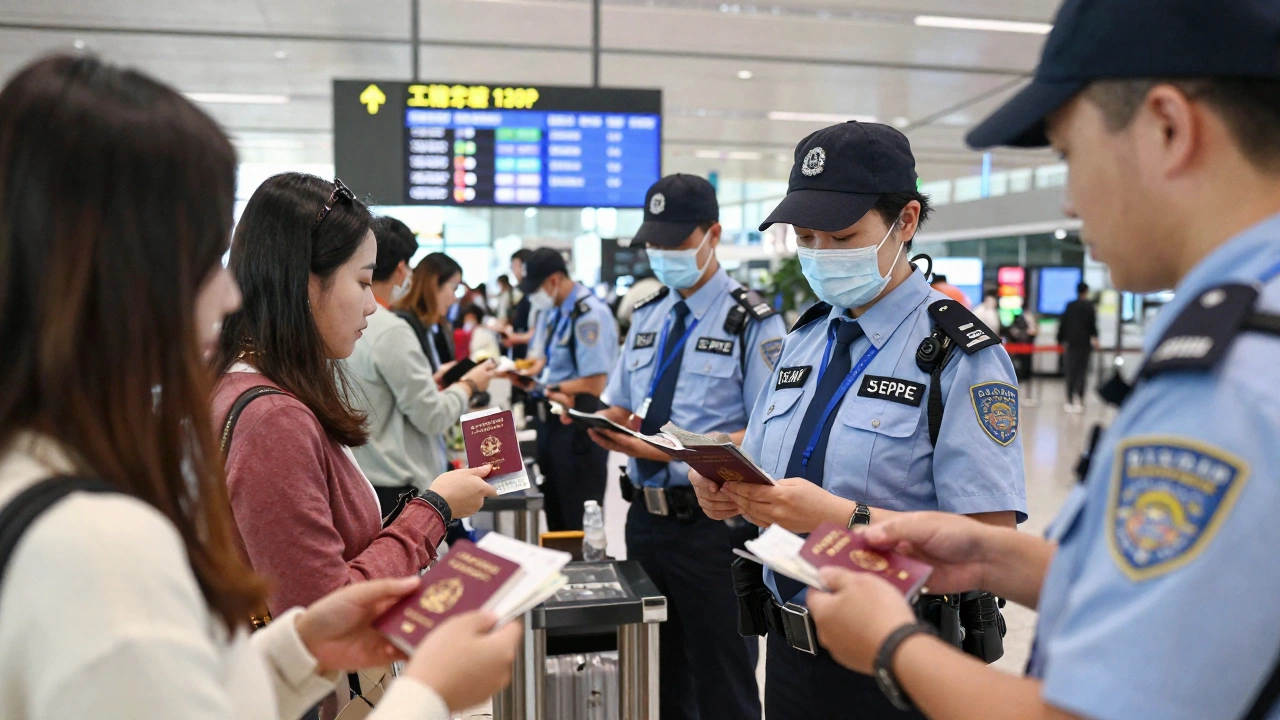

If international travel has you puzzled about entry permissions, understanding visa vs visa on arrival vs e-visa explained is critical for smooth journeys in 2026. Many travelers mistake these visa types as interchangeable, but mixing them up can lead to frustrating delays, denied entries, or costly last-minute changes at the airport. This comprehensive guide unpacks the differences between traditional visas, visas on arrival, and e-visas, how to apply for each in 2026, and practical advice to avoid common pitfalls.
What Is a Visa, Visa on Arrival, and E-Visa? Definitions and Differences
To demystify visa vs visa on arrival vs e-visa explained, let’s clearly define each:
- Visa (Traditional Visa): This type of visa must be obtained before you travel, typically through the embassy or consulate of your destination country. Application processes can vary — from online submission to in-person visits, including paperwork, photos, forms, and sometimes interviews. Once approved, you receive a physical stamp or sticker in your passport. For instance, U.S. citizens traveling to China require a traditional visa, details accessible at the Chinese Embassy.
- Visa on Arrival (VoA): Instead of securing permission beforehand, this visa is issued at the point of entry—such as airports or seaports—upon arrival. It usually involves filling out some forms and paying a fee (often in cash). Countries like Indonesia and Egypt offer VoAs. Note, Indonesia’s VoA is typically 30 days long and can require you to leave and re-enter the country for extension—so it’s not an open-ended visa.
- E-Visa: This modern visa type is applied for entirely online via official government portals. You submit your application, upload digital documents, pay the fee electronically, and receive approval electronically, which you either print or display on your device at immigration. India’s e-visa system is a classic example, allowing applications up to 120 days before arrival at India’s official e-Visa site.
Key Differences at a Glance
| Feature | Traditional Visa | Visa on Arrival | E-Visa |
|---|---|---|---|
| Where to Apply | Embassy/Consulate | At point of entry | Online government portal |
| Processing Time | Days to weeks | Minutes to hours | Hours to few days |
| Needed Before Travel | Always required | Not required | Required |
| Cost | Varies, sometimes pricey | Set fee on arrival | Moderate and predictable |
| Documents Needed | Passport, forms, photos, etc. | Passport and arrival forms | Digital documents uploaded |
Knowing these distinctions prevents surprises and travel headaches.

Step-by-Step Process to Obtain Each Visa Type in 2026
Understanding the application journey can save time and stress.
1. Traditional Visa Application Process
- Step 1: Visit the official embassy or consulate website for visa requirements — check passport validity, photos, application forms, and any additional documents like invitation letters.
- Step 2: Complete the visa application form, either online or on paper.
- Step 3: If required, book and attend an appointment. Showing up without an appointment often won’t work.
- Step 4: Submit your documents and pay fees that typically range from $50 to over $150.
- Step 5: Wait patiently for visa approval; the wait can span from days to several weeks.
- Step 6: Collect your visa in person or receive it by mail — verify all details immediately upon receipt.
2. Visa on Arrival Procedure
- Step 1: Confirm that your nationality is eligible for Visa on Arrival at your destination.
- Step 2: Prepare your valid passport (usually valid for at least six months) and proof of onward or return travel.
- Step 3: Arrive at an authorized port of entry where VoAs are accepted.
- Step 4: Fill out arrival cards, pay the visa fee (commonly $25 to $60), often only cash accepted.
- Step 5: Receive the visa stamp, generally valid for 15 to 30 days.
- Step 6: Present your documents to immigration and proceed with your trip.
3. E-Visa Application Process

- Step 1: Locate the official government e-visa website to avoid fraudulent portals.
- Step 2: Register an account, complete personal information, and upload required documents.
- Step 3: Pay visa fees online with a credit or debit card.
- Step 4: Await approval by email, usually within 1 to 3 days.
- Step 5: Print or save an electronic copy of your e-visa.
- Step 6: Present your e-visa at immigration upon arrival.
These steps make the process clear and manageable.
Common Mistakes Travelers Make with Visa Types and How to Avoid Them
Avoid these frequent errors to stay on track:
- Assuming Visa on Arrival applies universally: Eligibility varies by nationality. Always verify on official sites such as the Thailand Immigration Bureau.
- Using fake e-visa websites: Only apply through official government portals to prevent scams.
- Ignoring passport validity rules: Many countries require your passport to be valid for six months beyond your travel date.
- Not printing your e-visa or missing paperwork: Some entry points demand physical copies, not just phone displays.
- Expecting Visa on Arrival extensions without leaving: Usually, extending a VoA means exiting and re-entering the country.
For example, a Brazilian tourist was denied entry to Indonesia because they lacked proof of onward travel, a mandatory VoA requirement listed on the Indonesian Immigration website. Don’t make the same mistake.
Why Understanding Visa vs Visa on Arrival vs E-Visa Matters in 2026
2026 travelers benefit from knowing these distinctions because:
- An increasing number of countries adopt e-visas to facilitate easier access and reduce embassy visits.
- Some countries have updated visa policies due to recent global health concerns and travel disruptions.
- Choosing the right visa type avoids costly last-minute changes or denied airport entry.
- Proper preparation can save you time, money, and stress.
Take Turkey’s e-visa, for example, accessible to citizens of 97 countries and obtainable online within minutes before departure via the Turkey e-Visa official website.
Practical Tips & What to Watch Out For When Applying
- Always consult the official embassy or government portal for the most accurate, up-to-date visa requirements.
- Review your entire itinerary to confirm specific needs for onward travel proof — some VoAs require it.
- Apply for e-visas early; several countries permit application up to 120 days before travel.
- Maintain digital and printed copies of all visa documents in case immigration requests them.
- Verify which entry points accept your type of visa, as VoA may not be valid at all borders.
- Stay informed on COVID-19 travel policies and health requirements including vaccination records and health declarations.
When to Choose Each Visa Type?
- Traditional Visa: Optimal for long stays, multiple entries, or when background checks are necessary (e.g., Russia, China).
- Visa on Arrival: Suitable for short visits if eligible (e.g., Egypt, Indonesia).
- E-Visa: Best for fast, convenient applications in countries supporting this method (e.g., Turkey, India).
Your choice depends on travel plans and destination rules.
TiketVisa: A Convenient Solution for Visa-Related Travel Proof in 2026
Proof of onward travel is a common visa application hurdle. TiketVisa resolves this by offering flight reservations or hotel bookings without the financial commitment of full ticket purchases, easing visa and immigration compliance.
- Flight reservation from just USD 9
- Hotel booking starting at USD 6
- Essential for visa, visa on arrival, or e-visa applications requiring accommodation or travel proof
Visit tiketvisa.com to smooth your application process.
Conclusion: Mastering the Maze of Visa vs Visa on Arrival vs E-Visa Explained
Mastering visa vs visa on arrival vs e-visa explained ensures you select the appropriate visa, avoid frustrating airport denials, and save money. Use official resources, double-check passport validity, and keep your documents organized. When proof of onward travel or accommodation is required, rely on services like TiketVisa for peace of mind. With preparation in hand, embrace your travels confidently in 2026.
Safe travels and remember to pack your passport!
 Instagram
 टिकटॉक
 थ्रेड्स
 YouTube
 फेसबुक
 English
  Portuguese
  Spanish
  French
  Italian
  Turkish
  Indonesian
  Arabic
  Vietnamese
  Tagalog
  Russian
  Polish
  Hindi
Hindi  Chinese
  Uzbek
Uzbek  Thai
Thai  Greek
Greek  Hebrew