



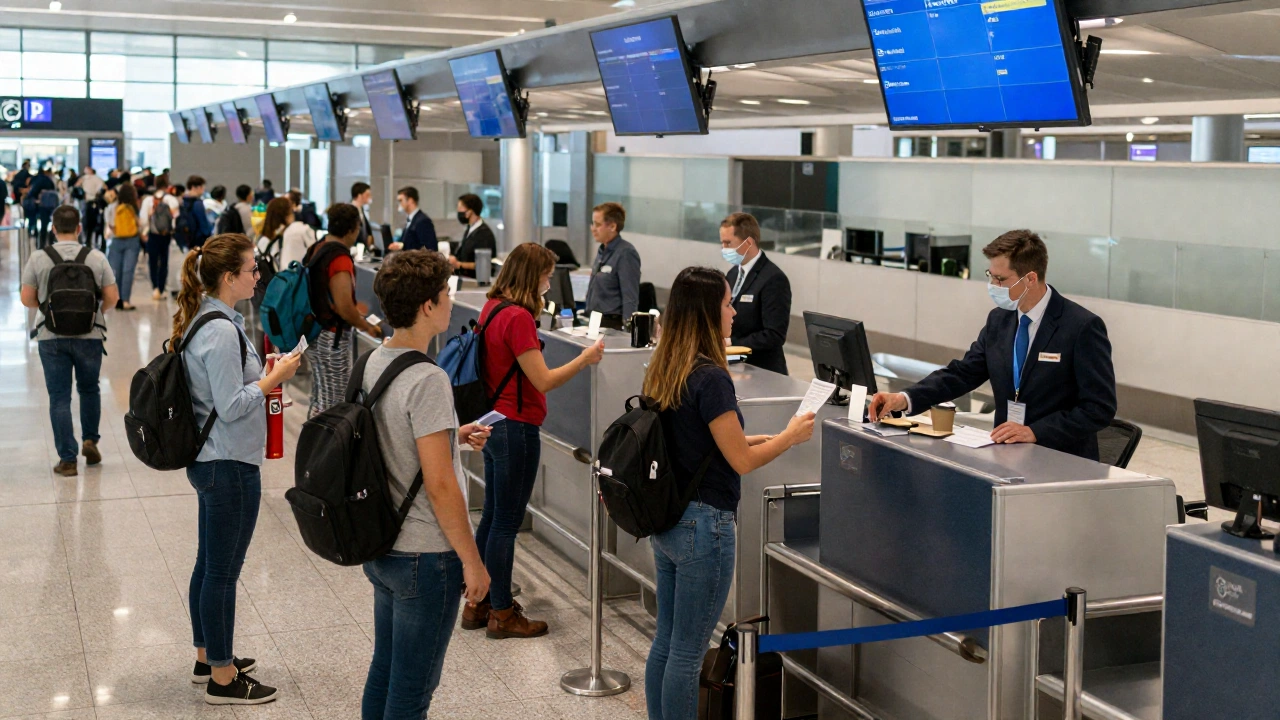


Imagine this: you’re all set for your international trip, visa ready, bags packed, but suddenly—proof of onward travel becomes a hurdle. Understanding the difference between dummy ticket and real ticket can save you from unnecessary stress or even being denied boarding. In 2026, with stricter border controls and visa requirements globally, knowing these distinctions is more important than ever to ensure a smooth travel experience.
Travel papers might not be the most exciting part of your trip preparations, but grasping the difference between dummy ticket and real ticket is a practical move that can help keep your journey on track. This comprehensive guide will clearly explain what sets these two ticket types apart and why understanding them is crucial for your international travel.
What Is a Real Ticket? A Confirmed Booking for Your Trip

A real ticket is essentially your confirmed seat on a flight. When you purchase a real ticket, you have completed payment and received a confirmed booking. The airline has assigned you a seat, recorded your information, and issued a ticket number and booking reference. This document serves as official permission for you to board the plane.
With a real ticket, you get:
- A reserved seat confirmed by the airline.
- A booking reference and unique ticket number that immigration and airline officials recognize.
- The ability to check in online or at the airport.
- Payment receipts as proof you have purchased the ticket.
- Purchase made through official channels: airline websites, authorized travel agents, or reputable booking platforms.
For example, if you booked a Delta flight from New York to Paris, paid the fare, and received the itinerary email, that’s your real ticket. Immigration officers and airline staff see it as proof that you have solid travel plans and financial means to leave your destination country. Many countries, including the U.S., require proof of onward travel to prevent visitors from overstaying their visas.
In short, without a real ticket, entering some nations can prove difficult or even impossible.
What Is a Dummy Ticket? A Temporary Travel Plan for Visa Purposes
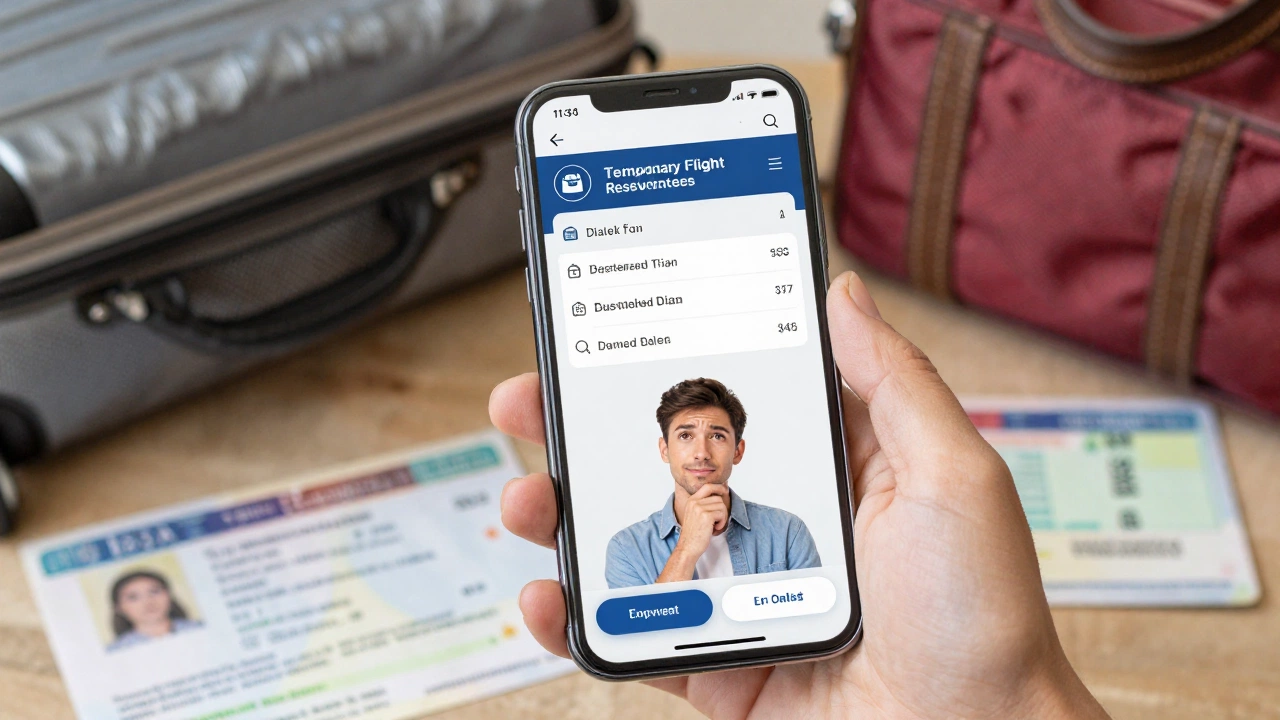
Now, what exactly is a dummy ticket? Often misunderstood, a dummy ticket is not a fake ticket for malicious purposes. Instead, it is a temporary flight reservation or itinerary that is used primarily to satisfy visa requirements. It shows intent to leave a country but is not valid for actual travel.
Characteristics of a dummy ticket include:
- A flight reservation that is not paid for or confirmed with an airline.
- A temporary document intended to meet visa or immigration requirements.
- Usually offered by specialized services that provide flight reservations lasting between 24 and 72 hours.
- Cannot be used to board a flight because the ticket isn’t valid or paid for.
Dummy tickets are typically not issued by airlines themselves. Instead, third-party companies create these temporary itineraries that look authentic enough for visa officers and immigration authorities to see you have plans to exit the country.
For instance, when applying for a Schengen visa, applicants often need to provide proof of onward travel. Purchasing a fully refundable or expensive return ticket upfront may not be practical, especially if travel plans are uncertain. A dummy ticket can temporarily fulfill this requirement without financial commitment.
Key Differences Between Dummy Ticket and Real Ticket
Memahami difference between dummy ticket and real ticket becomes clearer when comparing their essential features:
1. Confirmation and Payment
- Real Ticket: Fully paid and confirmed by the airline. Your name is on the official passenger list.
- Dummy Ticket: Not paid for, often expires within days or hours. No confirmed seat.
2. Validity for Travel
- Real Ticket: Valid for actual flight boarding, security checks, and check-in.
- Dummy Ticket: Only valid as a visa application document, no actual travel rights.
3. Purpose of Use
- Real Ticket: Used for actual travel and official identification during boarding.
- Dummy Ticket: Mainly used to satisfy visa requirements before purchasing a real ticket.
4. Risks and Acceptance
- Real Ticket: Legally recognized internationally by airlines and immigration.
- Dummy Ticket: Some embassies and airlines reject dummy tickets; trying to board with one can cause denial or legal complications.
5. Source
- Real Ticket: Purchased directly from airlines, official travel agents, or trusted online platforms.
- Dummy Ticket: Supplied by specialized third-party providers; quality and reliability vary.
How to Use a Dummy Ticket Safely
If you plan to use a dummy ticket for visa applications or onward travel proof, follow these key steps for safe and hassle-free use:
- Check Visa Requirements Carefully: Always verify the official website of the embassy or consulate of your destination country to understand if dummy tickets are accepted. For Schengen visas, reputable sites like Schengen Visa Info list specific requirements.
- Choose a Trusted Dummy Ticket Provider: Not all providers are reliable. Services like TiketVisa offer verified flight reservations starting at around USD 9. These are widely accepted and help prevent visa rejections.
- Request a Valid Dummy Ticket Reservation: Provide accurate travel dates and routes. The reservation should look legitimate for visa officials.
- Include Dummy Ticket in Visa Application: Submit the dummy ticket alongside all other required documents with your visa application.
- Purchase Your Real Ticket After Visa Approval: Once your visa is approved, book your real flight. Delay this step to avoid losing money on non-refundable tickets or wrong flight dates.
- Do Not Attempt to Board with a Dummy Ticket: Only your real, paid ticket grants boarding rights. Attempting to use a dummy ticket at the airport will cause denial.
Following these precautions helps avoid common pitfalls and ensures your travel preparations remain stress-free.
Common Mistakes to Avoid with Dummy and Real Tickets
Travelers often face challenges related to dummy and real tickets. Here are common mistakes to steer clear of:
- Attempting to Board with a Dummy Ticket: This will likely result in being denied boarding and possible fines or legal trouble.
- Using Dummy Tickets Where Not Accepted: Some embassies strictly require real tickets. Always confirm requirements before submitting.
- Confusing Refundable Real Tickets with Dummy Tickets: Refundable tickets are real and confirmed. Don’t mistake them for dummy tickets.
- Delaying Real Ticket Purchase Post Visa Approval: Waiting too long can lead to higher prices or sold-out flights.
- Buying Fake or Unverified Dummy Tickets: This may cause visa denial or damage your travel credibility.
Sticking to official and trusted sources ensures smoother visa and travel experiences.
Real-Life Example: Traveling to Japan with Only a One-Way Ticket

In 2026, imagine a Brazilian traveler flying to Japan with only a one-way ticket because return plans are undecided. Japanese immigration requires proof of onward travel. To meet this, the traveler obtains a dummy ticket showing a return reservation without paying for it upfront.
This dummy ticket satisfies immigration officers that the traveler intends to leave Japan legally. Once plans are finalized, they purchase a real ticket for their return flight. This flexible approach complies with rules and avoids unnecessary upfront costs.
Why Understanding the Difference Between Dummy Ticket and Real Ticket Matters
You may wonder why it matters what kind of ticket you show. The answer lies in the strict enforcement of border controls, visa rules, and airline policies worldwide. Presenting the incorrect ticket can lead to visa refusals, wasted money, denied boarding, or accusations of fraud.
Airlines and immigration authorities need assurance that travelers won’t overstay visas. Providing a dummy ticket where a real ticket is required or vice versa could jeopardize your entry eligibility.
Always consult official sources such as the UK government’s visa site (gov.uk) or the embassy of your destination, to confirm accepted ticket types.
Adhering to these guidelines smooths your journey and prevents surprises at the airport or border.
Conclusion: Travel Smarter by Knowing the Difference Between Dummy Ticket and Real Ticket
Mastering the difference between dummy ticket and real ticket is essential for successful international travel. Real tickets are your confirmed, paid boarding passes. Dummy tickets serve as temporary flight reservations to meet visa requirements but are not valid for flying.
Use dummy tickets wisely and primarily for visa applications. After your visa is approved, promptly purchase your real flights. Trusted services like TiketVisa provide affordable, legitimate flight reservations helping travelers navigate this often confusing process seamlessly.
Getting this right means avoiding last-minute hassles, saving money, and focusing on enjoying your trip with peace of mind.
TiketVisa: Your Trusted Partner for Flight Reservations and Hotel Bookings
Need a verified dummy ticket or hotel reservation for your visa or onward travel proof? TiketVisa offers:
- Official flight reservations starting at USD 9
- Hotel bookings from USD 6
- Reliable airline-recognized itineraries accepted by embassies
Visit tiketvisa.com for affordable, hassle-free travel documents that make your visa process smoother.
 Instagram
 Aplikasi TikTok
 Benang
 YouTube
 Indonesia
 English
  Portuguese
  Spanish
  French
  Italian
  Turkish
  Indonesian
  Arabic
  Vietnamese
  Tagalog
  Russian
  Polish
  Hindi
Hindi  Chinese
  Uzbek
Uzbek  Thai
Thai  Greek
Greek  Hebrew