





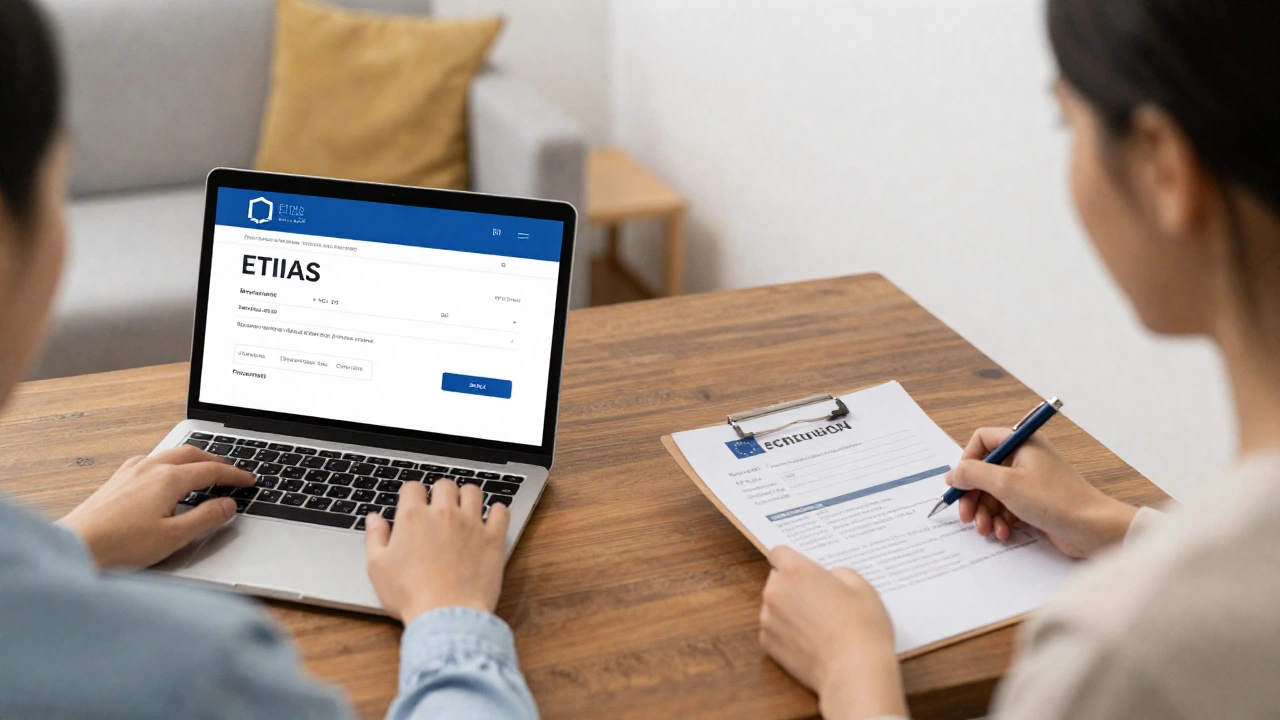
Is ETIAS the same as a Schengen visa? This is a common question for travelers planning a trip to Europe, but the answer is no — they are quite different, serving unique purposes in the travel process.
Understanding the Schengen Area and Visa
The Schengen Area consists of 26 European countries like France, Italy, Spain, and Germany, that allow passport-free border crossings for short stays up to 90 days within any 180-day period. Depending on your nationality, you may need a Schengen visa or simply an authorization.
A Schengen visa is the official permission needed for nationals from countries that do not enjoy visa-free access. It’s a physical or digital visa allowing entry and stay for up to 90 days. To get one, you typically apply at an embassy or consulate, pay a fee (around €60-80), provide documentation, and wait days or even weeks for approval.
What is ETIAS?

On the other hand, ETIAS (European Travel Information and Authorization System) is not a visa. It’s a travel authorization designed for citizens of visa-exempt countries such as the U.S., Canada, Australia, and Japan. ETIAS pre-screens travelers online before arrival, enhancing security and streamlining entry. Applications cost about €7, are submitted online, and valid for up to three years or until passport expiry.
Quick Comparison
| Fitur | ETIAS | Schengen Visa |
|---|---|---|
| What it is | Travel authorization (not a visa) | Official visa |
| Who needs it | Visa-exempt nationals | Nationals requiring visa |
| Application method | Online, quick | Embassy/consulate visit required |
| Cost | €7 | €60-80 |
| Validitas | Up to 3 years or passport expiry | Usually up to 90 days |
| Stay allowed | Up to 90 days per 180 days | Same |
Simply put, if you need a visa, ETIAS does not replace it. If you are visa-exempt, ETIAS will be mandatory starting in late 2026. Both systems regulate your stay in the Schengen Area but serve different traveler groups.
Applying for ETIAS is straightforward and fast—complete an online form, pay the fee, and usually receive approval instantly or within a few days. Schengen visa applications require more time and paperwork, including appointments, documents, and waiting.
Why ETIAS Was Introduced

Why was ETIAS introduced? To enhance security, streamline border controls, and prevent illegal stays by pre-screening travelers from visa-free countries before their arrival.
Pro tips: Start your visa application early if needed, don’t forget to apply for ETIAS if you’re from a visa-free country, and keep digital or paper copies of your authorization or visa handy. Remember, both limit your stay to 90 days within any 180-day period, so plan accordingly.
For travelers needing onward flight or hotel reservations to support their visa or ETIAS application, services like TiketVisa offer affordable and reliable bookings, helping to ease your paperwork requirements.
Understanding the difference between ETIAS and the Schengen visa ensures a smooth, stress-free journey to Europe. Plan ahead, apply accordingly, and get ready to explore the passport-free wonders of the Schengen Area!

 English
  Portuguese
  Spanish
  French
  Italian
  Turkish
  Indonesian
  Arabic
  Vietnamese
  Tagalog
  Russian
  Polish
  Hindi
Hindi  Chinese
  Uzbek
Uzbek  Thai
Thai  Greek
Greek  Hebrew