
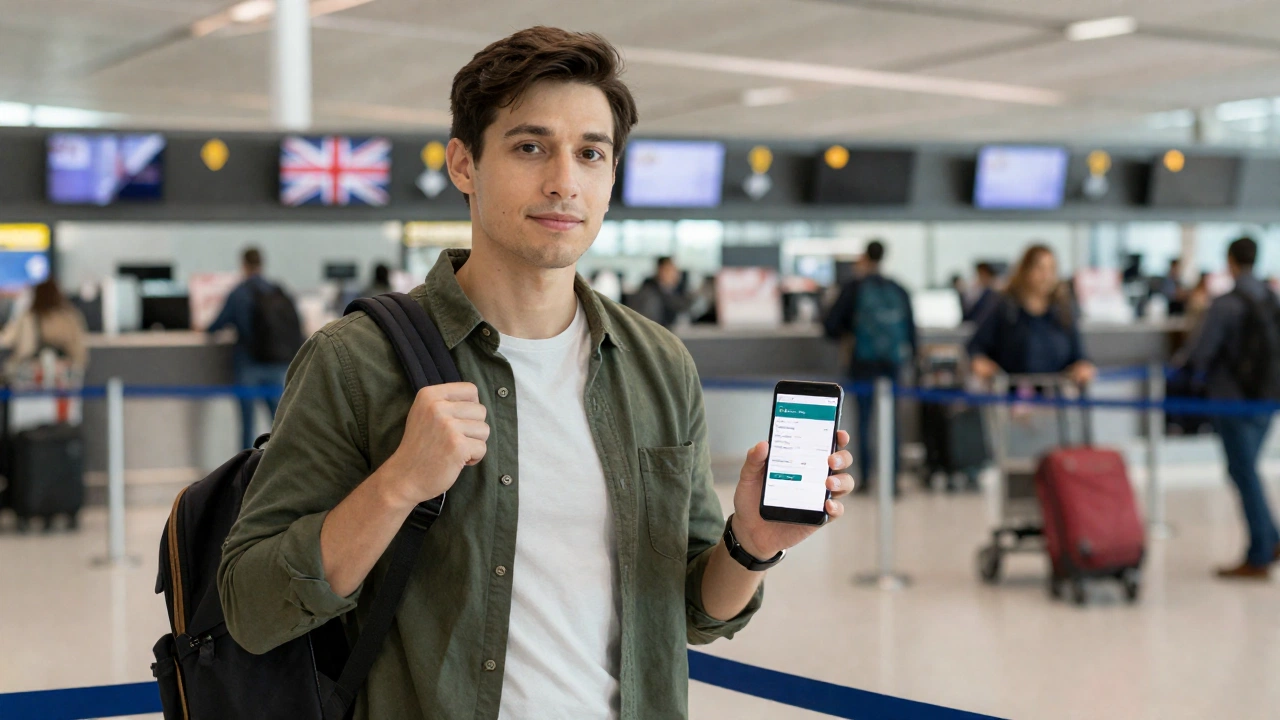
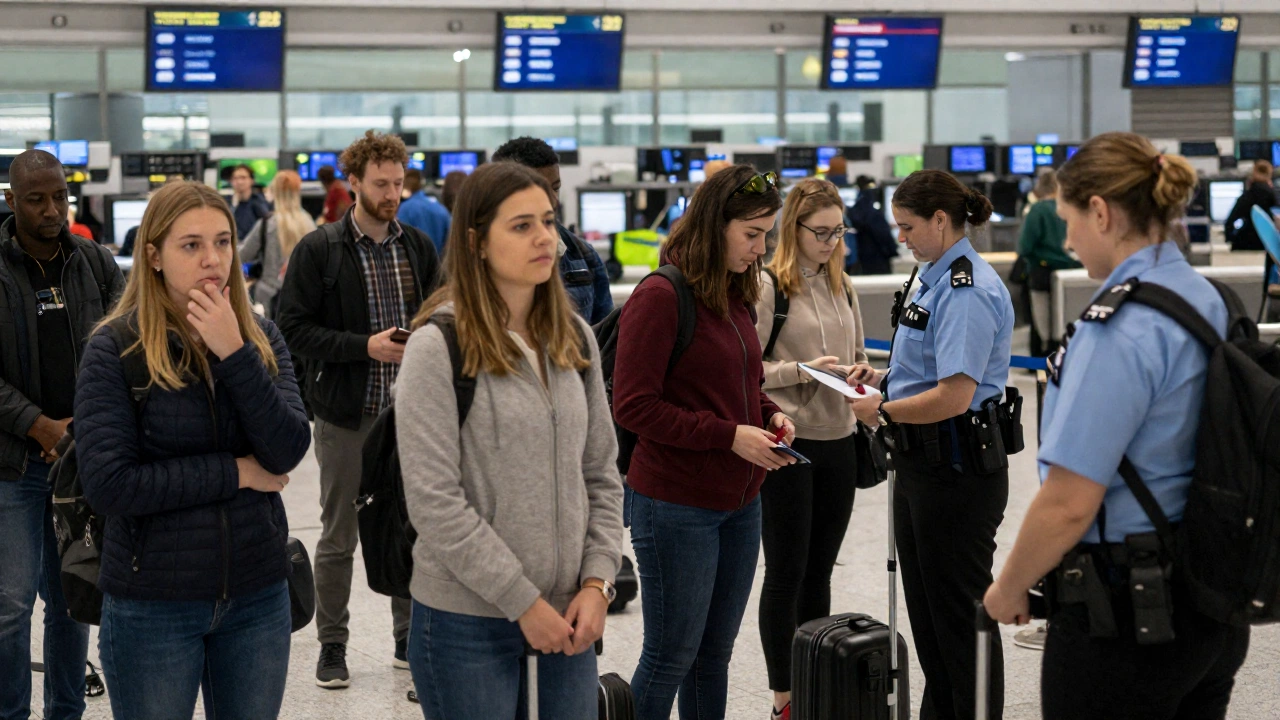



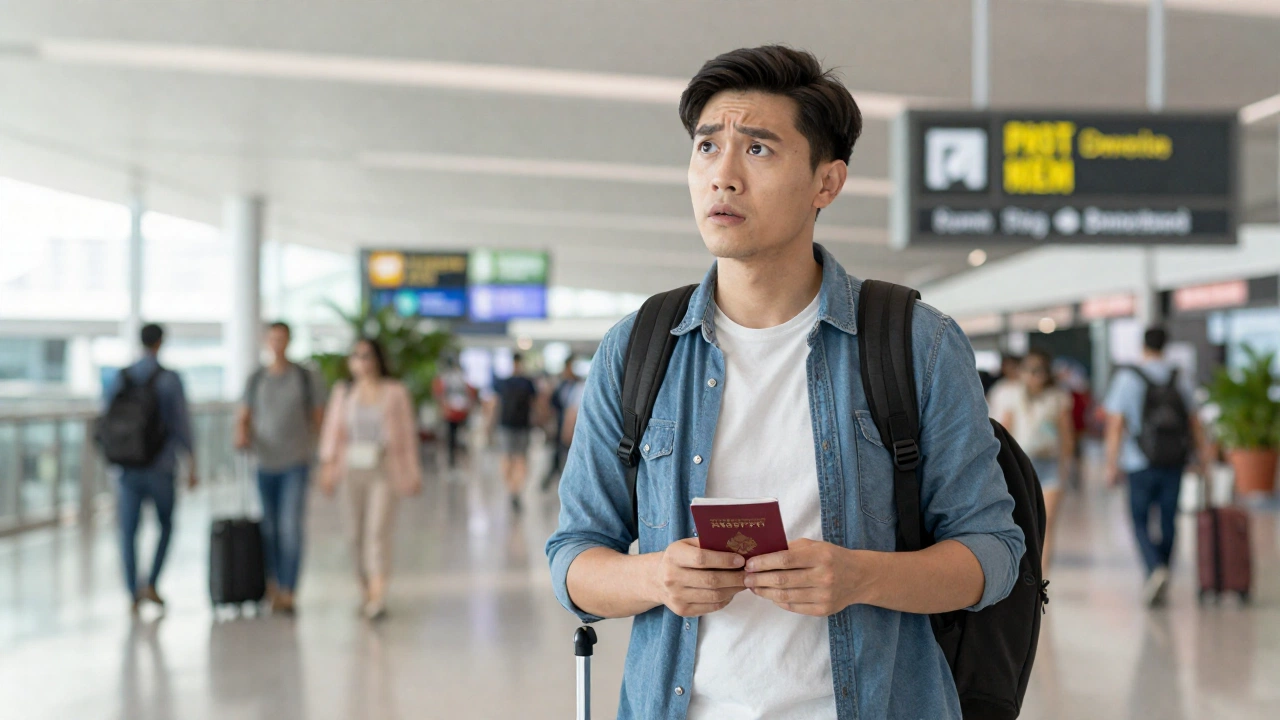
Applying for a tourist visa can feel as complicated as assembling IKEA furniture without instructions. One key element that greatly eases the process is having your proof of accommodation for tourist visa application ready and in order. This crucial document or email certifies that you have a specific place to stay during your travels. It reassures visa officers that you have concrete plans, aren’t arriving without arrangements, and importantly, will leave the country on time. Understanding what counts as acceptable proof of accommodation for tourist visa application not only strengthens your application but can determine its success.
This comprehensive 2026 guide breaks down why providing proof of accommodation matters, the types of documents accepted across different countries, how to obtain and submit valid proof, common pitfalls to avoid, and alternative options if you don’t yet have fixed lodging. If you want to breeze through your tourist visa application, keep reading to discover all you need to know about proof of accommodation for tourist visa application.
Why Is Proof of Accommodation Required for a Tourist Visa Application?

The role of a visa officer is challenging—processing hundreds of applications daily while trying to identify who might overstay or violate visa terms. Proof of accommodation for tourist visa application is a straightforward way for you to show you have organized your stay and have no intention to disappear or remain illegally.
When you provide proof, it indicates you’ve reserved a hotel, arranged to stay with friends or family, or secured a rental property for your visit. This builds trust that you have a fixed place to live while abroad and a motive to leave afterward.
For example, the U.S. Department of State requires travelers to submit accommodation details as part of the tourist visa application to curb unlawful overstays. Similarly, Schengen visa policies mandate proof of lodging for each destination country to assure border officials you have verified places booked. Such documents signal to immigration officers that you are a well-prepared traveler with return intent.
In essence, proof of accommodation acts as evidence you’ve planned your trip responsibly and intend to comply with visa rules.
Types of Documents Accepted as Proof of Accommodation for Tourist Visa Application

Visa authorities accept various kinds of documents depending on the destination and specific embassy requirements. Most commonly, these include:
- Hotel Booking Confirmation
The simplest and most accepted form is a hotel booking confirmation. This may be a voucher or email from a hotel or online booking platform showing your name, stay dates, and the hotel’s contact details. It’s even stronger if it includes payment confirmation or a flexible cancellation policy. - Invitation Letter from a Host
If staying with family or friends, provide a notarized invitation letter listing the host’s full address, phone number, duration of your stay, and a copy of their identification or residency permit. Many embassies recognize this as official proof for free accommodation. - Rental Agreement or Lease Contract
For longer stays or apartment rentals, a signed lease or rental agreement bearing your and the landlord’s information, plus exact dates of occupancy, serves as solid proof. - Official Accommodation from Tour Operators
Booking tours that include lodging might come with official accommodation proof bundled with your itinerary — accepted by some embassies.
Remember that rules vary: Australia’s tourist visa process, for example, requires confirmed hotel or rental bookings; Japan may specifically request hotel certificates. Always verify your destination’s guidelines beforehand to ensure your documents match requirements.
Step-by-Step Guide: How to Obtain and Submit Proof of Accommodation
Follow these steps for hassle-free preparation and submission of your accommodation proof:
Step 1: Choose Your Accommodation
Decide whether you’ll stay at a hotel, Airbnb, with friends, or rent an apartment. This affects what documentation you must gather.
Step 2: Book Your Accommodation
Make reservations early and secure official confirmation receipts that clearly state your full name as in the passport, exact stay dates, and contact info of the lodging provider. For stays with friends or family, obtain a formal invitation letter alongside their ID proof.
Step 3: Verify Payment and Cancellation Policies
Check if the embassy requires proof of payment or simply a confirmed booking. For example, the UK Home Office generally asks for payment receipts unless you’re staying with a host under an invitation letter.
Step 4: Scan and Organize Documents
Ensure all materials are clear and readable, including booking numbers, addresses, dates, and receipts. Digital copies are essential if applying online.
Step 5: Submit All Documents Together
Attach proof of accommodation along with your visa forms, cover letters, travel itinerary, financial statements, and other requested papers. For paper applications, print neatly to avoid smudges or unclear text.
This organized approach reduces risks of rejection due to incomplete paperwork or misunderstandings about your plans.
Common Mistakes to Avoid When Providing Proof of Accommodation
Many visa applicants inadvertently delay or sabotage their application by committing avoidable errors:
- Unconfirmed or “Pending” Bookings
An unconfirmed reservation marked “pending” or awaiting payment is insufficient. Visa officers require solid proof of confirmed lodging. - Outdated or Expired Documents
Accommodation evidence must align perfectly with your travel dates. Old or mismatched documents won’t be accepted. - Name Mismatch
Any discrepancy between the name on your passport and on the booking (e.g., “Jonathan Smith II” vs. “John Smith”) may raise red flags and cause processing delays. - Incomplete Information
Missing booking references, hotel contact information, or unclear addresses can render documents invalid. Ensure every detail is accurate and readable. - Ignoring Specific Country Requirements
Some countries require unique proof formats, like hotel accommodation certificates in Japan. Research embassy instructions carefully before submission.
By double-checking these points, you avoid frustrating, time-consuming visa delays.
What If You Don’t Have Fixed Accommodation Yet? Alternative Options and Tips
Travel plans can be fluid, but embassies value certainty during applications. If you lack confirmed stays, consider these options:
Temporary Booking Services
Several agencies provide temporary hotel reservations specifically for visa submissions. These bookings may be cancellable but are verified by embassies directly with the hotels, so choose reputable providers.
Package Tours with Accommodation
Booking all-inclusive tours that include lodging can automatically provide accepted accommodation proof.
Staying with Relatives or Friends
A formal invitation letter accompanied by photo ID and proof of address from your host can comply with embassy standards.
Airbnb Reservations
Most Airbnb platforms issue official receipts detailing your name, property address, and dates. Print and submit these with your visa paperwork.
While spontaneous travel is fantastic, visa authorities prioritize concrete evidence of where you’ll stay to mitigate risk.
Practical Example: Applying for a Schengen Visa with Proof of Accommodation
Suppose you’re in Brazil planning a multi-city European tour—Paris, Berlin, and Amsterdam—under a Schengen visa. You’ll need accommodation proof for each destination.
Simply:
- Book your hotel or rental for each city matching your itinerary.
- Confirm all reservations include your exact travel dates.
- Keep both digital and physical copies of booking confirmations and payment receipts.
- Submit these collectively with your Schengen visa application.
This demonstrates to visa officers your well-organized trip with no gaps or uncertainties, increasing your approval chances.
Why TiketVisa Can Help You With Proof of Accommodation for Tourist Visa Application
Booking legitimate accommodations and gathering the right paperwork can be overwhelming. TiketVisa offers a reliable solution by providing valid hotel reservations tailored for visa applications starting at just USD 6. Their confirmations meet embassy standards worldwide, helping ensure your proof of accommodation for tourist visa application is accepted without hassle.
Additionally, TiketVisa offers flight reservation services starting from USD 9, covering other tricky aspects of visa paperwork. Friendly customer support assists you at every step to make your application stress-free and efficient.
Visit https://tiketvisa.com today to simplify your visa process and boost your application’s chances of success.
Conclusion: Mastering Proof of Accommodation for Tourist Visa Application
Proof of accommodation for tourist visa application is far from a mere formality—it’s one of the most powerful ways to show immigration officials you are organized, trustworthy, and prepared. Getting this right can clear a major hurdle in your path toward travel.
Choose the correct type of document, verify every detail carefully, and utilize trusted services like TiketVisa if reservation confusion stresses you out. Ultimately, this proof demonstrates not just a bed to sleep in, but your genuine intent to return home after your adventure.
Safe travels, and may your accommodations always be confirmed and visa applications approved! ✈️
[TIKETVISA_SOCIAL_FOOTER]

 English
  Portuguese
  Spanish
  French
  Italian
  Turkish
  Indonesian
  Arabic
  Vietnamese
  Tagalog
  Russian
  Polish
  Hindi
Hindi  Chinese
  Uzbek
Uzbek  Thai
Thai  Greek
Greek  Hebrew