




Does Japanese immigration check for a return or onward flight ticket at the airport? Ever had that mini heart attack at the gate when the airline agent asks, “Do you have proof you’re leaving the country?” Yeah, that moment when you suddenly question your entire travel plan. If you’re flying to Japan, you’re probably wondering the same thing: does Japanese immigration want to see a return or onward ticket when you land? The short answer: not officially—at least, not for everyone. But like most travel questions, it’s a bit nuanced, so let’s break it down so you’re totally prepped and calm at arrival.
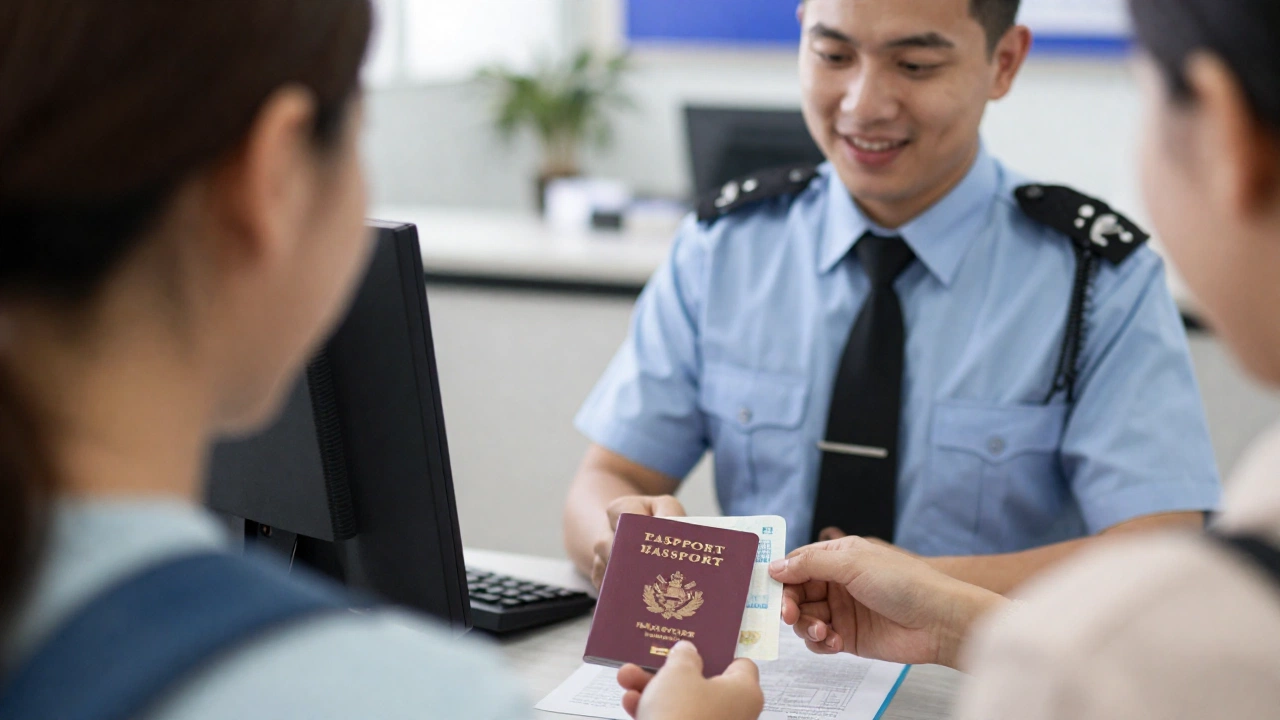 The Official Stance on Return or Onward Tickets for Japan Entry
 The Official Stance on Return or Onward Tickets for Japan Entry
Japan’s Ministry of Foreign Affairs (MOFA), the go-to source on visas and entry rules, updated their info just this October 2026. Their key points:
- Visas must be sorted before you fly; no on-the-spot visa issuance at the airport.
- MOFA does not have a blanket rule requiring all travelers to show a return or onward ticket at immigration.
- For visa applications, you might need to submit travel plans, including flight details, but that’s part of the visa paperwork — not a mandatory arrival checkpoint.
- If you’re visa-exempt (think most Western countries), there’s generally no strict legal need to flash a pre-paid return or onward ticket on arrival.
So officially, you’ll need your visa (if required) and a valid passport. Beyond that, no hard-and-fast nationwide rule says every visitor must prove they’re “buying their way out” of Japan at the immigration desk.
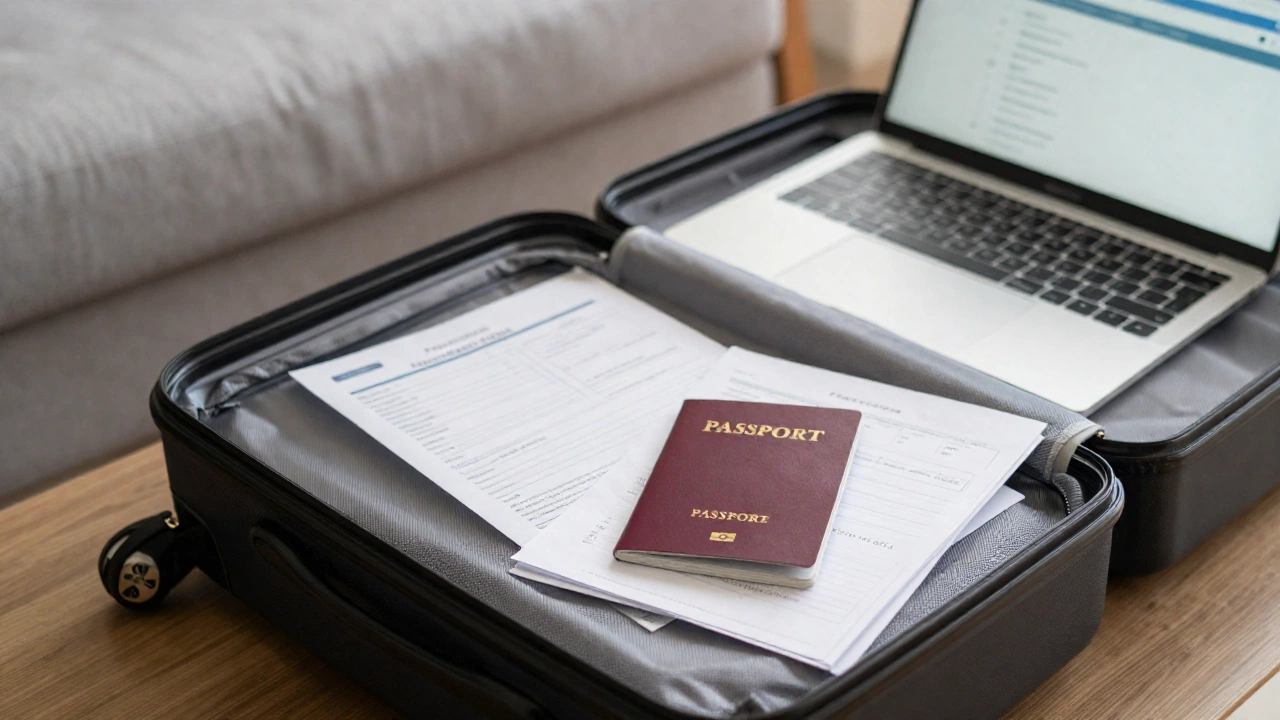 Why You Might Still Need a Return or Onward Ticket
 Why You Might Still Need a Return or Onward Ticket
Okay, before you whip out those “one-way only” plans, here’s why a return or onward ticket still plays a starring role:
- Airline rules before you even board: Airlines have a legal duty under Japanese immigration rules to check if you have what it takes to enter Japan, including proof you’ll leave later. Without that, airlines might refuse to check you in or board you. They don’t want penalties for flying passengers who get denied at immigration.
- Immigration officer discretion: While Japan doesn’t publish a universal ticket rule, officers can ask for proof you plan to leave — especially if your trip or purpose looks fuzzy or your stay looks long.
- Visa-exempt travelers, heads up: If you’re from the U.S., UK, Australia, the EU—you’re likely visa-exempt for short stays. Still, best practice is carrying a confirmed, fixed-date return or onward ticket as a practical way to avoid awkward questions at the gate or arrival.
Bottom line? Airlines are usually stricter than immigration on this one, so it’s safest to have proof of onward travel.
What Documents Should You Carry?
Want a smooth ride at the gate and immigration line? Pack these essentials:
- Действительный паспорт: Must cover your entire stay in Japan.
- Visa (if your nationality requires it): Double-check whether you need one or if you’re visa-exempt.
- Proof of Return or Onward Travel: Not officially mandatory for everyone, but airlines and immigration love seeing it. This can be a flight, ferry, or even a confirmed onward hotel booking.
- Accommodation Details & Funds: Immigration officers may want to see hotel bookings or contact info, plus proof you can support yourself financially.
Keep these handy and printable (and digital copies, because technology loves to fail at the worst moments).
What If You Don’t Have a Paid Return Ticket?
No return ticket yet? Don’t panic. You have options:
- Flight reservations or “dummy” tickets: These are verifiable but refundable/hold bookings. A legit-looking reservation often satisfies both airline staff and immigration officers.
- Booking platforms like TiketVisa: Starting at just USD 9 for flight reservations (and USD 6 for hotel bookings), you can get temporary, valid bookings that tick all the boxes without dropping big dollars on non-refundable tickets.
- Visa application requirement: When applying for an e-visa, you usually need to provide your flight itinerary or reservation, not necessarily a fully paid ticket.
These options can save you from paying upfront for a ticket you might change later—pretty handy if your plans aren’t set in stone.
Real-World Example: Visa-Exempt Travelers from the U.S. or Europe
If you’re from the U.S., UK, EU, Australia, or Canada, you can usually enter Japan visa-free for up to 90 days. But U.S. government advice recommends carrying evidence of onward travel just in case immigration wants proof. If you don’t have a clear plan to leave, expect extra questioning — which is the last thing you want after a long flight.
So even without a legal mandate, carrying that return or onward ticket is a smart move. Think of it as your “get out of trouble” card.
Tips for Smooth Immigration Experience in Japan
- Check your airline’s specific policy on onward or return tickets before you fly.
- Make sure your passport is valid for your whole trip.
- Have both digital and printed copies of your flight itinerary, visa, hotel bookings, and any travel confirmations.
- Need temporary bookings? Platforms like TiketVisa are your friends.
- Bookmark and check official updates on Japanese regulations at mofa.go.jp.
Smooth preparation means a smooth landing — and isn’t that what we all want?
Часто задаваемые вопросы
Does Japan require a return ticket for all travelers?
No, there’s no universal legal rule. But airlines generally require proof of onward travel, and immigration officers might ask to see it.
Can I enter Japan with only a one-way ticket?
You can, if you have a valid visa or are visa-exempt, but airlines might refuse to board you if you can’t prove onward travel, and immigration may question you.
What happens if I don’t have an onward ticket when flying to Japan?
The airline may deny boarding at the gate. If you somehow get on the plane and arrive without an onward ticket, immigration could refuse entry or dig into your travel plans.
Do visa-exempt travelers need to show onward travel?
Not officially, but strongly recommended to avoid trouble with airlines or immigration.
Can I use a flight reservation or dummy ticket as proof of onward travel?
Yes, many travelers do. Airlines and immigration will often accept verifiable flight reservations.
Where can I get a temporary flight or hotel booking for Japan entry?
Try services like TiketVisa — flight reservations start at USD 9, hotel bookings from USD 6, ideal for meeting airline and immigration needs without fully paying up front.
Final Thoughts
Japan doesn’t have a strict law that every traveler must show a return or onward ticket at immigration, but airlines almost always will. Plus, immigration officers can ask. It’s just safer to have solid proof of your plans to leave Japan. Temporary booking services like TiketVisa make this easy without blowing your budget on non-refundable tickets.
Remember, rules can change, so check the Japanese Ministry of Foreign Affairs and confirm with your airline before you travel. Stay smart, stay calm, and enjoy your trip to Japan!
Follow @tiketvisa on Инстаграм, ТикТок, Фейсбук, YouTube и Нитки for an onward flight booking and hotel reservation, and for more travel updates!
Website: tiketvisa.com
Instagram: Инстаграм | TikTok: ТикТок | Threads: Нитки | YouTube: YouTube | Facebook: Фейсбук

 English
  Portuguese
  Spanish
  French
  Italian
  Turkish
  Indonesian
  Arabic
  Vietnamese
  Tagalog
  Russian
  Polish
  Hindi
Hindi  Chinese
  Uzbek
Uzbek  Thai
Thai  Greek
Greek  Hebrew