



If you’re a remote worker scrolling through your feed and suddenly wondering, “Maybe Bali is calling me?” — you’re in good company. Knowing the best time to visit Bali for digital nomads can make all the difference between a productive, inspiring workation and a frustrating, soggy stay with unreliable Wi-Fi. Bali is renowned for its stunning scenery, vibrant culture, and dynamic digital nomad community consisting of entrepreneurs, artists, and caffeine-fueled screen gazers. Timing your trip right ensures you blend work, networking, and leisure seamlessly while optimizing productivity and enjoyment.
Here’s a detailed guide to understanding Bali’s seasonal climates, community rhythms, visa rules, and practical planning tips for 2026. Spoiler alert: it’s far more interesting than your last tax bill.
Understanding Bali’s Climate: Dry vs. Rainy Seasons for Digital Nomads

Before unpacking your laptop, consider the weather – because no one wants to Zoom from a flooded cafe. Bali’s weather generally splits into two main seasons: the dry season and the rainy season.
Dry Season: Peak Productivity and Outdoor Fun
From April to October, Bali experiences its dry season, with July and August being peak months. During this time, the sun shines consistently, humidity drops, and rain is a rare visitor. This weather is ideal for mixing work with refreshing beach walks or outdoor coworking sessions.
This period also attracts the largest gatherings of digital nomads. Cafes and coworking spaces buzz with energy, providing excellent networking opportunities. Workshops, meetups, and social events are frequent, making it easier to connect with mentors, collaborators, or even new friends.
The downside? It’s the busiest tourist season, meaning crowded venues, higher accommodation prices, and sometimes slower or spotty Wi-Fi as many people try to work remotely simultaneously. Your favorite brunch spot’s queue might even rival your daily to-do list.
Rainy Season: Quiet, Affordable, and Focused
The rainy season spans November through March, bringing intermittent showers and high humidity that can test both your patience and hairstyling skills. This quieter season suits digital nomads who prefer solitude and lower living costs.
During the rainy months, accommodation prices drop, coworking spaces are less crowded, and you can enjoy uninterrupted focus time. Although occasional heavy rains may affect power reliability and internet speed, many major coworking spots in Bali are prepared with backup generators and robust connections to support remote workers.
The trade-off is fewer beach selfies and smaller social circles, but more peace and savings.
If you’re undecided, June and September offer the best of both worlds — pleasant weather with fewer crowds.
Your productivity and social life will thank you.
Bali’s Digital Nomad Community: When to Connect and Collaborate
Working remotely does not mean working alone, especially not in Bali. The island boasts a vibrant nomad community that ebbs and flows with the seasons.
Between April and October, coworking hubs in hotspots like Canggu and Ubud come alive with events ranging from brainstorming workshops to pool parties — these gatherings often inspire new ideas and collaborations. This is the prime season to build your network, find clients, or meet potential mentors.
Conversely, the rainy season tends to quiet these social events, appealing to nomads who want fewer distractions and more deep focus. Many use this time to tackle large projects in solitude.
A common strategy is to split stays — visiting Bali in June or September to balance social energy and quieter periods.
Whatever your style, remember: work should feel as rewarding as those curated Instagram stories suggest.
Visa Considerations and Entry Requirements in 2026
Visa rules might not be glamorous, but understanding them is crucial for a smooth trip.
Tourist Visa and Visa on Arrival
Visitors can obtain a 30-day Visa on Arrival (VOA), extendable once to 60 days. This option suits short visits or trial runs but falls short for digital nomads seeking extended stays.
Official Digital Nomad Visa
Excitingly, in 2026, Indonesia launched a dedicated digital nomad visa allowing stays up to six months. To qualify, you must demonstrate remote work for an overseas company and sufficient financial means. This new visa eliminates constant visa runs and simplifies planning longer workations.
Onward Travel Proof
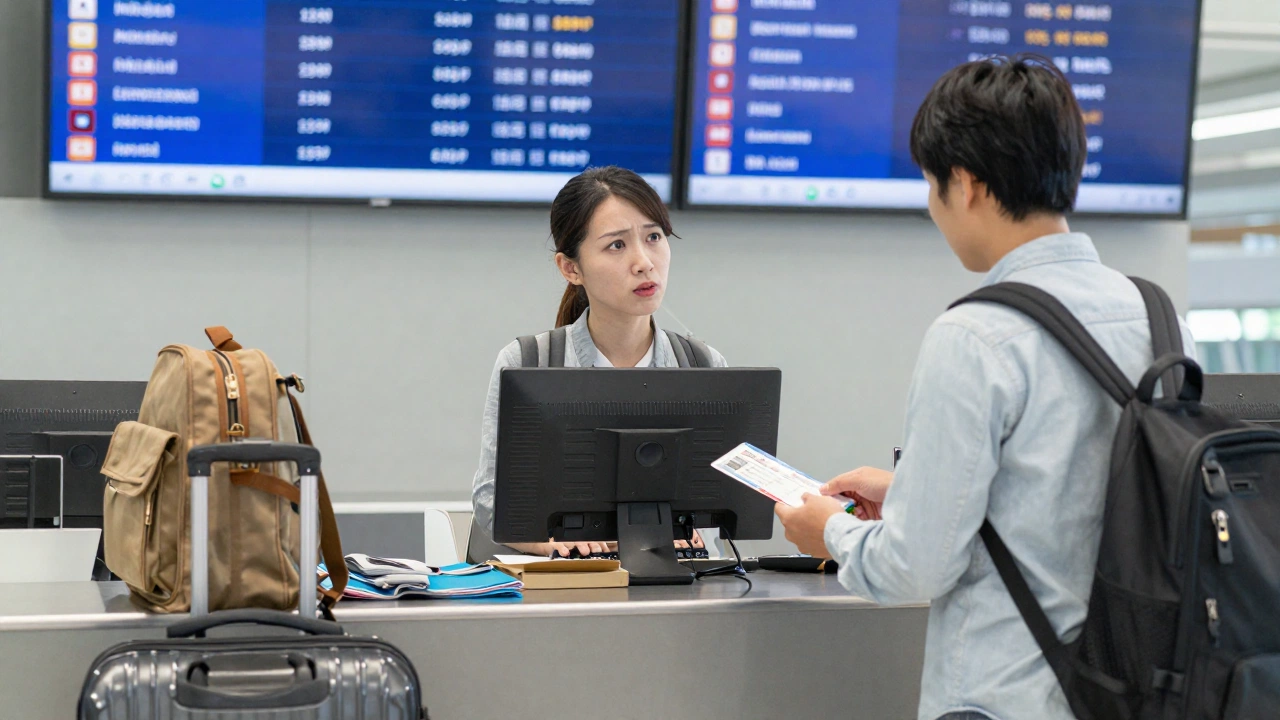
Bali immigration requires proof of onward or return tickets upon arrival. Arriving with a one-way ticket can prompt questions or delays. Services like วีซ่าท่องเที่ยว provide affordable onward flight bookings starting near USD 9, helping you fulfill immigration rules without buying exorbitant unused tickets.
Always check official Indonesian immigration updates before travel, as policies can shift unexpectedly.
Step-by-Step Guide: Planning Your Bali Visit as a Digital Nomad in 2026
Ready to turn Bali into your remote office? Follow these practical steps:
- Pick your season carefully: Opt for dry season (April–October) for sun and social opportunities, or rainy season (November–March) for quiet and savings.
- Secure your visa: Apply for the digital nomad visa if eligible; otherwise, prepare a tourist visa. Assemble your passport, proof of remote work, and financial documentation.
- Book flights wisely: Remember the onward ticket requirement; tools like TiketVisa can help find cost-effective options.
- Choose your accommodation: Canggu offers vibrant beach vibes and coworking culture; Ubud suits those seeking tranquility and spirituality; Seminyak blends culture, nightlife, and convenience.
- Scout coworking spaces: Prioritize strong Wi-Fi, ample outlets, comfortable seating, and inspiring atmospheres. In 2026, Dojo Bali and Outpost remain top choices.
- Prepare your tech gear: Bring portable chargers, noise-canceling headphones (to drown out local noises), and purchase a local SIM/eSIM from providers such as Holafly for reliable connectivity.
- Balance work and leisure: Plan yoga sessions, temple excursions, beach strolls, and market visits to avoid burnout.
- Stay updated: Monitor health advisories, immigration changes, and natural event news (like volcano activity) via official channels.
Following these steps ensures your Bali digital nomad experience in 2026 is both productive and enjoyable.
Common Mistakes to Avoid When Visiting Bali as a Digital Nomad
To save you from unnecessary headaches:
- Don’t underestimate weather challenges: High humidity and sudden rain can disrupt calls if you’re not prepared.
- Don’t skip visa and onward ticket research: Lack of proper documentation risks fines or deportation.
- Avoid last-minute bookings in peak season: Prices soar, and choices narrow quickly.
- Test Wi-Fi before committing: That cool cafe’s “fast internet” might be unreliable; check reviews and test your connection.
- Prepare for health risks: Bali’s tropical climate hosts mosquitoes and tropical illnesses. Carry repellent, check vaccinations, and stay informed.
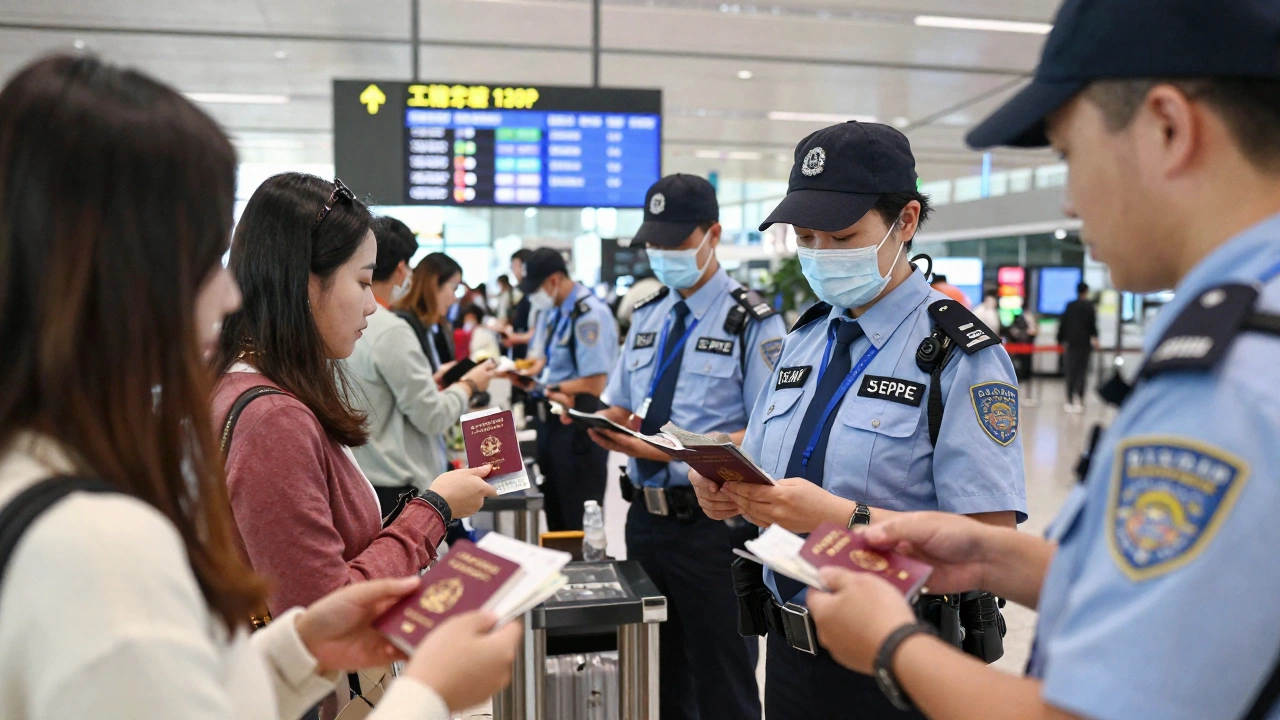
For instance, showing up in July without a valid visa extension or onward ticket can lead to an uncomfortable conversation with airport officials — a situation best avoided.
Why TiketVisa is Essential for Digital Nomads Traveling to Bali
วีซ่าท่องเที่ยว acts as your trusted travel companion.
If you don’t have confirmed onward or return flights, TiketVisa provides inexpensive flight and hotel bookings that satisfy immigration requirements. With flights starting at approximately USD 9 and hotels from USD 6, you get valid proof of onward travel without spending unnecessarily on tickets that you might not use.
This flexibility suits the dynamic lifestyle of digital nomads chasing new projects and inspirations across Bali.
For more info, visit ทิกเก็ตวิสซ่าดอทคอม, a key resource for nomads worldwide.
Conclusion: Make the Most of Your Bali Nomad Experience in 2026

Choosing the best time to visit Bali for digital nomads hinges on your priorities: vibrant social scenes and sunny days? Target the dry season. Prefer peaceful solitude and budget savings? The rainy season is your friend. The new digital nomad visa simplifies extended stays, and tools like TiketVisa streamline your arrival.
Careful planning—selecting your season, visa type, workspace, and tech—turns Bali from a potential “work struggle” into a dream destination where your productivity and Instagram both shine.
Bali is ready to welcome you. And yes, this will definitely be on the test.
 อินสตาแกรม
 ติ๊กต๊อก
 เธรด
เธรด YouTube
 เฟสบุ๊ค
 English
  Portuguese
  Spanish
  French
  Italian
  Turkish
  Indonesian
  Arabic
  Vietnamese
  Tagalog
  Russian
  Polish
  Hindi
Hindi  Chinese
  Uzbek
Uzbek  Thai
Thai  Greek
Greek  Hebrew