

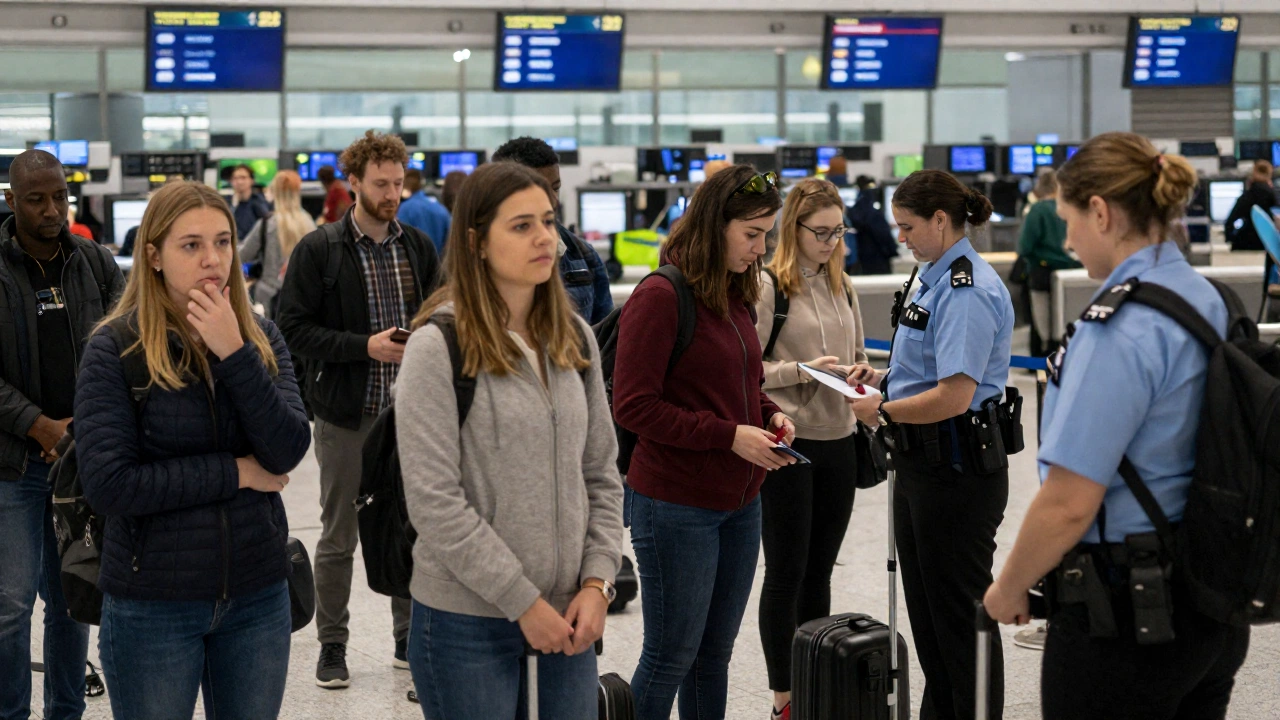




Planning an international trip brings excitement and adventure, but it also carries risks—especially when it comes to visa approvals. That’s why understanding travel insurance that covers visa rejection is crucial in 2026. Unlike typical travel insurance, this specialized coverage safeguards your prepaid expenses if your visa application is denied, helping you avoid costly losses and unexpected setbacks.
What Is Travel Insurance That Covers Visa Rejection?

Travel insurance that covers visa rejection is a unique policy or add-on designed to reimburse you if your visa application is refused. While standard travel insurance usually manages incidents like medical emergencies or lost luggage, this coverage zeroes in on financial protection against visa denial. It mainly covers non-refundable costs you’ve already paid before traveling, such as flight tickets, hotel reservations, tour packages, and visa application fees.
Visa rejection can occur for various reasons: incomplete paperwork, insufficient proof of funds, or geopolitical factors influencing consulate decisions. In 2025, refusal rates ranged between 4% and 20%, depending on destinations and visa types, per UK Home Office data. So actually, having travel insurance that covers visa rejection is a smart move, not paranoia.
This insurance typically reimburses:
- Non-refundable flight tickets
- Paid hotel bookings with no refund
- Prepaid tour packages
- Visa application charges
Policy limits vary, so always read terms thoroughly to understand your coverage. Consider this insurance your financial safety net when the embassy denies your visa.
Why Should You Get Travel Insurance That Covers Visa Rejection?

Nobody applies for a visa expecting rejection, yet visa refusals happen fairly often and hit your pocket hard. Here are key reasons why this insurance is a necessity in 2026:
1. Increased Visa Application Scrutiny
Post-pandemic, visa procedures have become more rigorous with biometric scans, mandatory vaccine proof, and health coverage verification. These tougher requirements mean consulates are rejecting more applications, making insurance your guard against unexpected losses.
2. High Non-Refundable Travel Expenses
Flights and hotels commonly require upfront payment. Without coverage, a visa refusal means losing that money outright. Having visa rejection insurance protects you against these steep financial hits.
3. Sudden Political or Policy Changes
Visa rules can shift abruptly due to political tensions or policy updates. For example, Turkey tightened visa restrictions for some nationals in late 2025. Insurance cushions the financial impact when your plans face sudden changes.
4. Frequent Travelers to Strict Visa Countries Benefit Most
If you regularly visit countries with strict visa policies like the USA, Australia, or Schengen states, this insurance greatly reduces the hassle and cost of denials.
Visa rejection is no longer rare. This coverage provides peace of mind and financial security when your plans hit a hurdle.
How to Choose and Buy Travel Insurance That Covers Visa Rejection: Your Step-by-Step Guide
Selecting the right policy requires careful research. Here’s how to get it right:
Step 1: Look for Insurers Offering Visa Rejection Coverage
Not all travel insurance plans include visa rejection. In 2026, top providers like Allianz, AXA, and World Nomads either bundle it or offer it as an optional add-on. Check official sites or consult insurance brokers.
Step 2: Ensure Your Visa Type and Destination Are Covered
Coverage depends on your visa category and country. Confirm your destination is eligible and that you apply through official embassies or consulates—which most policies require.
Step 3: Understand Expenses Covered and Policy Limits
Know exactly what costs you can claim and the reimbursement cap. For example, some policies limit claims to $5,000, so align that with your expenses.
Step 4: Keep Visa Documents and Proofs Ready
Retain visa refusal letters, booking receipts, and payment proofs to support your claim. Organized records speed up the process.
Step 5: Purchase Insurance Before or Immediately After Applying for Visa
You must buy this insurance prior to visa denial. Like any insurance, it doesn’t cover events that happened before purchase. Early purchase safeguards you.
Buying early maximizes protection and minimizes risk of financial loss.
Common Mistakes to Avoid When Buying This Insurance
Watch out for these pitfalls:
1. Assuming Standard Travel Insurance Covers Visa Rejection
Most regular policies exclude visa refusal coverage unless explicitly stated.
2. Ignoring Exclusions in the Fine Print
Mistakes in applications (expired passports, forged documents) usually void coverage.
3. Waiting to Buy Insurance Until After Visa Denied
You can’t claim for prior visa refusals; insurance must be active beforehand.
4. Losing Key Documentation
Without an official visa refusal letter or expense proofs, claims get rejected.
5. Overlooking Need for Multiple Coverage If Applying for Several Visas
One policy may not automatically cover multiple visa applications—check terms.
To protect yourself: read carefully, buy early, and stay organized.
Real-World Example: How Visa Rejection Insurance Works
Imagine you’re a traveler from Brazil planning a two-month trip to Europe’s Schengen area. You pay $3,500 upfront for non-refundable flights and hotels. You secure travel insurance that covers visa rejection with a $5,000 reimbursement limit.
Unfortunately, your visa is denied because the consulate requested more proof of funds. You quickly file a claim with your visa refusal letter and receipts. The insurer approves it and reimburses your $3,500.
The financial impact is mitigated, allowing you to regroup and plan your next steps without a significant loss.
Official Resources for Visa and Insurance Information
Accurate info keeps applications smooth. Consult:
- Schengen visa: European Commission
- US visa details: U.S. Department of State
- Travel insurance regulations: Federal Insurance Office
- Travel advisories & COVID updates: IATA Travel Centre
Relying on official sources avoids surprises.
TiketVisa: Boost Your Visa Application Alongside Insurance
Besides insurance, you can enhance your application with TiketVisa (ingressovisa.com), which offers low-cost confirmed flight and hotel bookings starting at about $9 and $6 respectively. These bookings serve as proof of onward travel or accommodation without requiring full upfront payment.
Combining TiketVisa with travel insurance that covers visa rejection forms a strong strategy. It solidifies your visa application and minimizes financial risk if rejected.
Conclusion: Protect Your Plans in 2026 with Travel Insurance That Covers Visa Rejection
In today’s unpredictable world, travel insurance that covers visa rejection is essential. By purchasing early and knowing your coverage, you protect your investment and ease anxiety. Pairing it with services like TiketVisa makes your visa process smoother and safer.
These precautions save you money and stress, keeping your travel dreams intact. Secure your trip and wallet—safe travels!
 Instagram
 TikTok
 Tópicos
 YouTube
 Facebook
 English
  Portuguese
  Spanish
  French
  Italian
  Turkish
  Indonesian
  Arabic
  Vietnamese
  Tagalog
  Russian
  Polish
  Hindi
Hindi  Chinese
  Uzbek
Uzbek  Thai
Thai  Greek
Greek  Hebrew